
Published Updated
Check whether this matches your current buying, selling, or location decision.
Scan the key points first, then decide whether to read the full analysis.
As a first-time buyer, how much house can I actually afford — not in theory, in real life?
When I help first-time buyers, I want the budget to feel honest. A home should move your life forward, not make every month feel tight because the...
A lot of first-time buyers start with the same question: what price can I buy? I understand why. Price is the number everyone talks about. But the better first question is more personal: what monthly life can I actually carry without turning the home into pressure every month?
The first question should not be the highest price a lender may approve. The better question is what monthly life you can carry with confidence after mortgage, taxes, insurance, HOA, maintenance, commute, and cash reserve are all included.
When I help first-time buyers, I want the budget to feel honest. A home should move your life forward, not make every month feel tight because the search started from the wrong number.
You might be wondering
If any of these sound like you, this guide was written for you.
- As a first-time buyer, how much house can I actually afford — not in theory, in real life?
- Beyond the mortgage itself, what monthly costs am I not seeing yet?
- Bay Area prices scare me. How do I set a budget I can live with?
- How much down payment do I really need — and how much cash should I keep back?
- What should I figure out before I ever step into an open house?
Visual Context
Make the decision easier to see

Presentation
Staging is not decoration. It helps buyers understand the space faster.
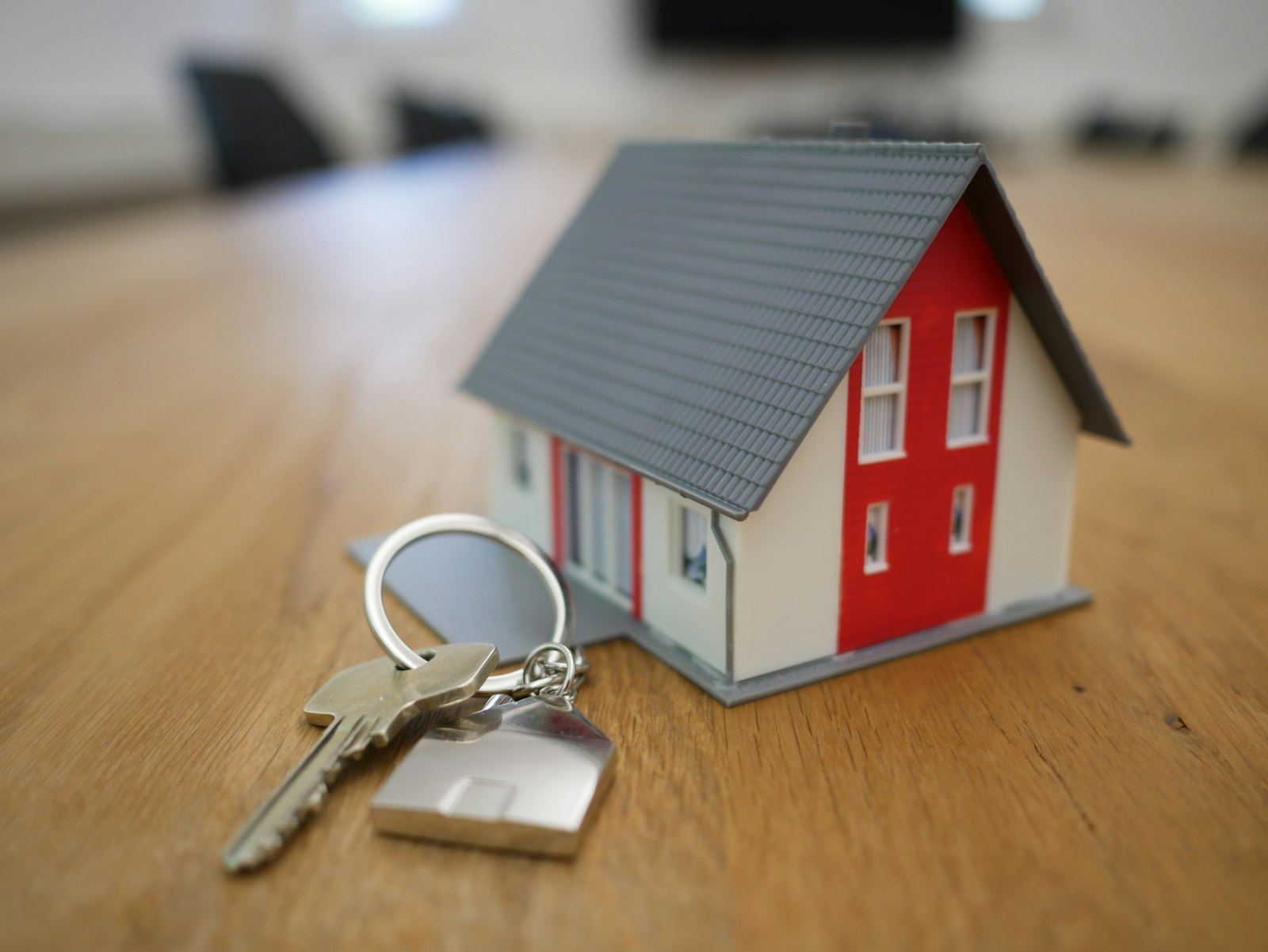
The home itself
Look at space, condition, maintenance, and resale before only reacting to photos.
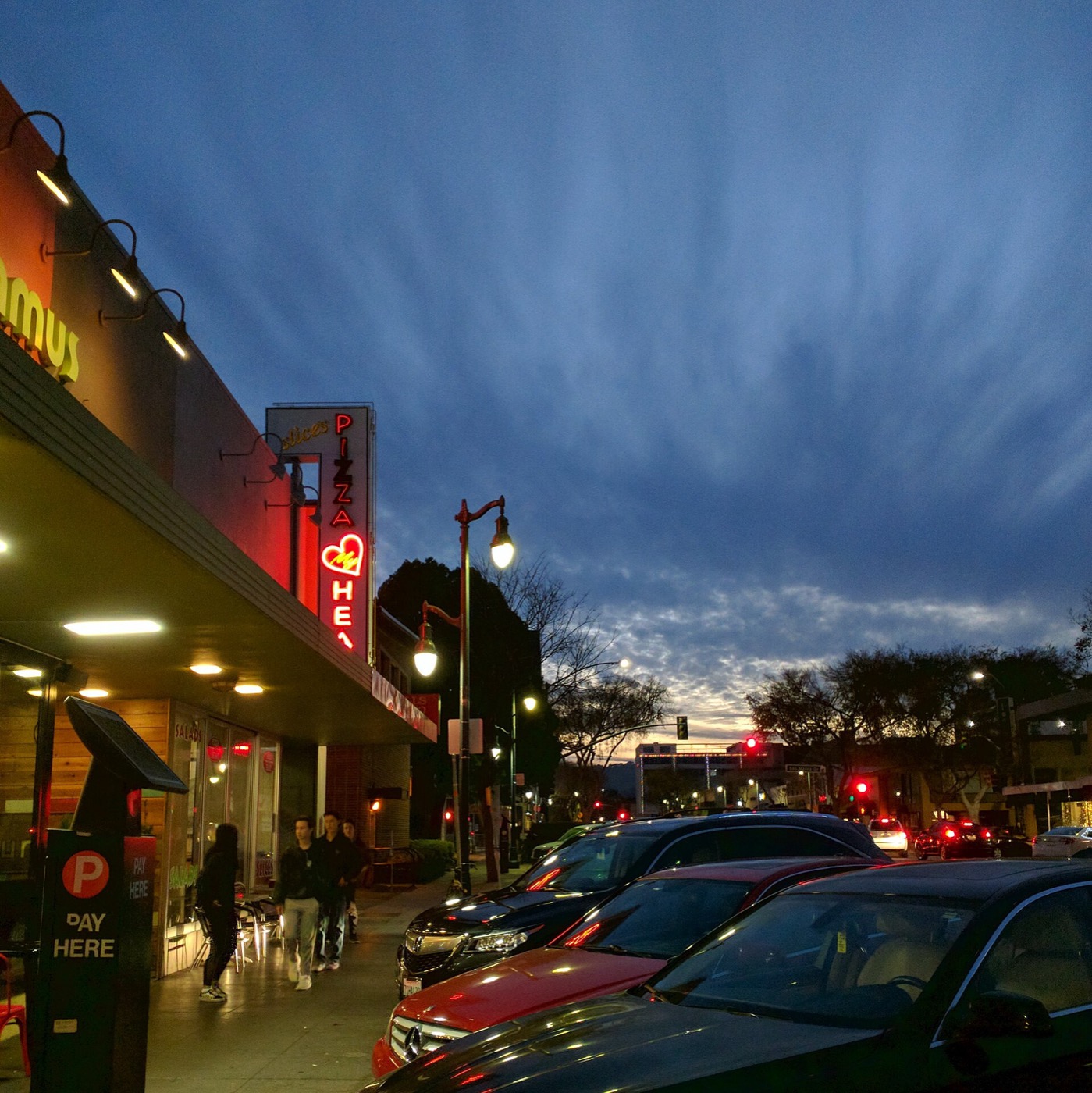
Daily life fit
Commute, schools, city rhythm, and neighborhood feel shape long-term fit.
Ranked by importance. Settle the top items before the ones below.
- 1 Mortgage payment Largest piece
- 2 Property tax and insurance Often underestimated
- 3 HOA, PMI, or building fees Check every property
- 4 Maintenance and utilities Budget monthly
- 5 Cash reserve after closing Do not drain cash
Informed by: CFPB homebuying resources, Fannie Mae affordability calculator
For first-time buyers, read in this order
Build the decision order before focusing on one listing
-
Start here Payment
Confirm loan, tax, insurance, HOA, and cash reserves feel sustainable.
-
Location
Compare city, commute, schools, lifestyle, and future resale together.
-
Documents
Disclosures, inspections, HOA, and appraisal risk can change the real decision.
-
Offer
Before bidding, know why to go higher, why to stop, and what the downside is.
-
By this point you are ahead of most
Why do two homes at the same price cost different amounts?
The list price is visible, but the real cost of ownership is monthly and ongoing. Two homes at the same price can feel very different if one has higher taxes, a large HOA, older systems, higher insurance, a longer commute, or repairs waiting after closing.
That is why I like to start with the monthly life first. A pre-approval tells you what may be possible. Your budget tells you what is wise for your real life. Those are not always the same number.
How much of your income should go toward a Bay Area mortgage?
Your housing budget should include principal and interest, property tax, homeowner insurance, mortgage insurance if applicable, HOA dues, utilities, maintenance, repairs, and the cash you still want after closing. If you only look at principal and interest, you may think a home is comfortable when the full payment is already stretching you.
Fannie Mae says housing cost is often planned around 25% to 30% of gross pre-tax income, and CFPB materials mention a common 28% rule of thumb for total monthly home payment. These are useful guardrails, but they do not know your family help, childcare cost, commute, business income, future kids, or comfort level.

| Purchase price | 20% down | Principal & interest | Tax + insurance | Maintenance reserve | Total monthly | Gross income at 28% |
|---|---|---|---|---|---|---|
| $800,000 | $160,000 | $3,941 | $950 | $667 | $5,557 | $238,000 |
| $1,000,000 | $200,000 | $4,926 | $1,150 | $833 | $6,909 | $296,000 |
| $1,200,000 | $240,000 | $5,911 | $1,350 | $1,000 | $8,261 | $354,000 |
| $1,500,000 | $300,000 | $7,389 | $1,650 | $1,250 | $10,289 | $441,000 |
| $1,800,000 | $360,000 | $8,866 | $1,950 | $1,500 | $12,316 | $528,000 |
Assumes 20% down, 6.25% on a 30-year fixed loan, a 1.2% property tax rate, $150 monthly insurance, and a maintenance reserve near 1% of value a year. HOA dues are not included. Planning estimates for orientation, not a loan quote.
How much cash do you need beyond the down payment?
Many first-time buyers focus so much on the down payment that they forget the money needed around it. You may need closing costs, inspection or appraisal fees, moving cost, furniture, repairs, utility setup, and a cash reserve after closing. The home should not empty you out completely.
NAR reported that first-time buyers made up only 21% of buyers in its 2025 profile, with a median first-time buyer age of 40 and a median down payment of 10%. That tells us first-time buyers are waiting longer and working harder to enter the market. It also means preparation matters. You are not weak if the numbers feel heavy; the market is simply asking for more planning than before.
Is a cheaper home farther from work actually cheaper?
Affordability is not only a math question. A cheaper home farther away can become expensive if commute time removes your energy every day. A smaller home near work may feel more expensive on paper but give back time, sleep, family rhythm, and career flexibility. A condo with an HOA may reduce maintenance work but add a monthly cost that affects your loan qualification.
This is why the budget should connect to your lifestyle. If you have kids, school and childcare routes matter. If you work long hours, commute reliability matters. If you are planning for a second child, parents visiting, or remote work, space matters. A good budget is personal because your life is personal.
What should you do before you start touring homes?
Before going deep into showings, first-time buyers should do quiet work: check credit, talk with a lender, estimate monthly payment, understand cash to close, compare loan options, and decide a comfortable payment range. This protects you from falling in love with a home before the numbers are honest.
Once you know the monthly range, the search becomes calmer. You are no longer asking whether every pretty listing is possible. You are asking whether it fits the life you already decided you want to protect.

- Ask your lender for payment estimates at different purchase prices, down payments, and rates.
- Include property tax, insurance, HOA, PMI, utilities, and a repair reserve.
- Decide your comfortable payment and your absolute ceiling before touring.
- Keep enough cash after closing for repairs, moving, and life.
When does stretching your budget make sense?
Sometimes stretching a little can be reasonable if the home clearly solves an important long-term problem. Maybe it shortens commute, stabilizes school plans, gives space for a growing family, or gives you a location with stronger resale demand. But stretching should be a conscious tradeoff, not an emotional reaction to competition.
The question is not whether the home is perfect. The question is whether the stretch gives back enough value in daily life, stability, or long-term usefulness to justify the pressure.
When should you slow down?
If the only reason to raise your budget is fear of missing out, slow down. If you cannot explain the payment comfortably, slow down. If one repair would create panic, slow down. Buying a first home should feel serious, but it should not feel like you are walking into stress you already understand but are choosing to ignore.
A patient process helps you make a decision you can still respect later. You do not need to buy instantly. You need to understand what you are buying and how it fits your real life.
Free payment reality check
Want these numbers run for your actual budget?
Send me your target cities and rough budget. I will reply with what the true monthly payment looks like at today's rates, the cash you need beyond the down payment, and the one or two things to verify before you tour. No sign-up, no pressure.
Faster: text or call 510-813-3293, or WeChat Adam1Chen.
Related Local Guides
Helpful External Resources
Sources and Credits
- CFPB buying a house resourcesFederal homebuying tools for budgeting, loan shopping, closing, and avoiding scams.
- CFPB guide to figuring out how much you want to spendEncourages buyers to estimate down payment, monthly budget, credit, and realistic price range before shopping.
- CFPB Your Home Loan ToolkitExplains a common rule of thumb that total monthly home payment may be at or below 28% of gross monthly income, while lenders evaluate the full financial picture.
- Fannie Mae mortgage affordability calculatorStates that housing cost is often planned around 25% to 30% of gross pre-tax income and should be tested against a full personal budget.
- NAR first-time buyer share and down payment dataReports first-time buyers fell to 21% of buyers in the 2025 profile, with a median first-time buyer age of 40 and median down payment of 10%.
Image: Visualization by Adam Chen, based on CFPB, Fannie Mae, and NAR buyer guidance.