Palo Alto is a top-tier Peninsula/Silicon Valley market where schools, Stanford, tech wealth, lot value, and scarcity create premium pricing.
First-Time Buyer Lens
How to read Palo Alto before choosing a home
For a first home, do not judge a city only by reputation or a single price. Put payment, commute, schools, property type, condition, and future resale demand into one framework.
Price lane
First, check whether this city fits your real payment range
$1M-$2M condo; $3M-$5M+ single-family
Lifestyle fit
Then decide whether the daily rhythm fits your life
Buyers often prioritize education options, prestige, commute, and long-term land value; sellers need high-quality presentation and very precise comparable selection.
Demand signal
Ask whether future buyers will also understand this home
Strongest when school boundary, lot, and location story are clear.
School and commute
Do not rely only on map distance
Palo Alto Unified is a major part of buyer discussion; verify exact school assignment and program details by address. Stanford, Meta, Google, biotech, VC, downtown Palo Alto, Caltrain, 101, 280, and Sand Hill Road influence demand.
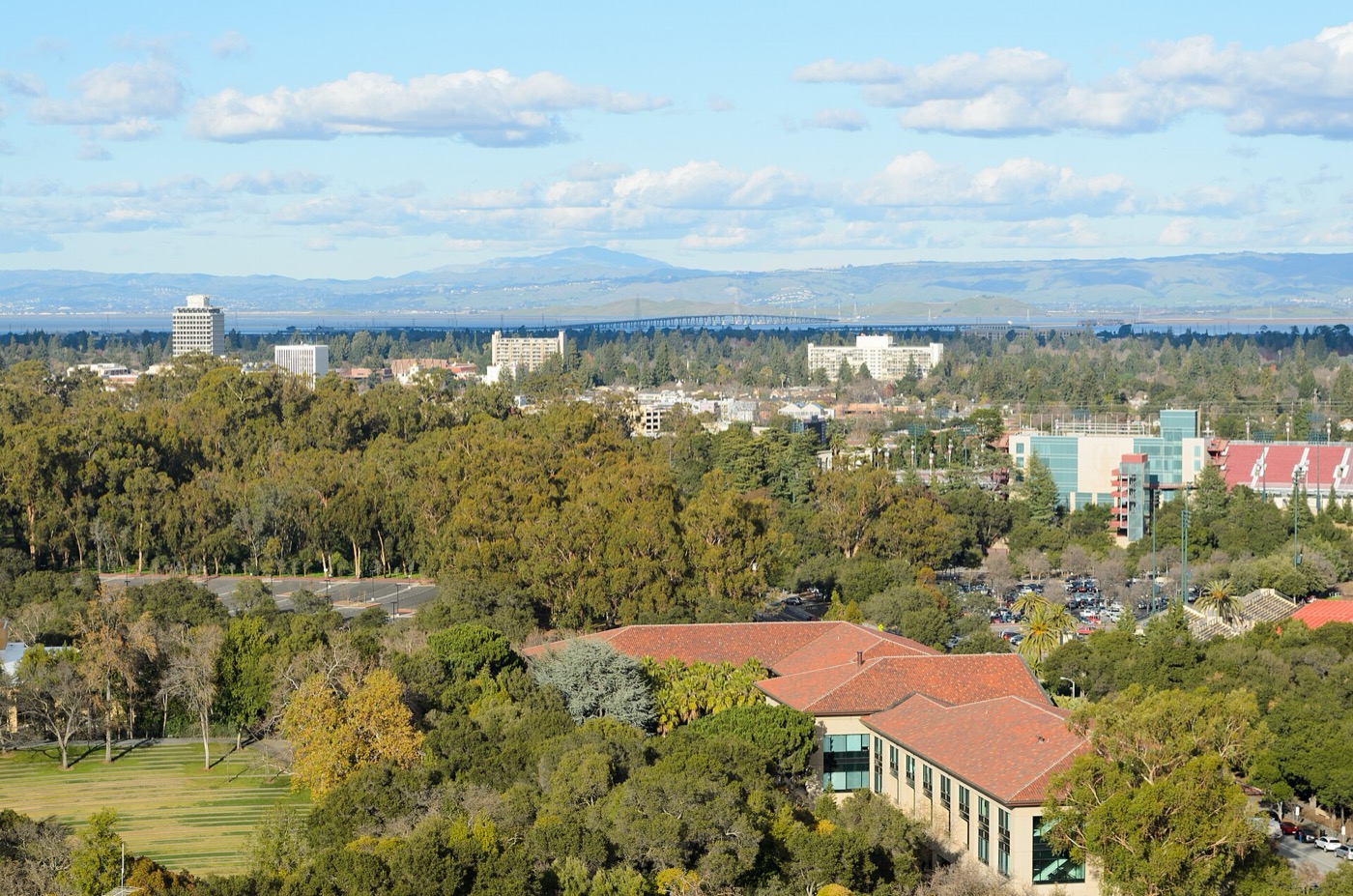
Palo Alto is one of the Bay Area's most expensive and supply-constrained markets. Buyers evaluate school boundaries, proximity to Stanford and major employers, lot value, neighborhood prestige, and long-term resale more than simple price-per-square-foot.
What Buyers and Sellers Usually Watch
Buyers often prioritize education options, prestige, commute, and long-term land value; sellers need high-quality presentation and very precise comparable selection.
Market Data Snapshot
Sale Range$1M-$2M condo; $3M-$5M+ single-family
Rent Range$3.0K-$5.5K+/mo apartments; house rentals often far higher
Rent TrendScarcity and land value create long-term support, with luxury pockets moving separately.
Demand SignalStrongest when school boundary, lot, and location story are clear.
2021-2026 Estimated Price TrendAnchored to today's price range to show direction, not an exact quoted price.
Price labels are estimated planning ranges based on the current sale range and broad 2021-2026 direction. Refresh with live MLS, Redfin, Zillow, and rental data before publication.
Price and Market Signals
Planning price signal: condos may start around $1M-$2M depending on location and building, while many single-family homes run roughly $3M-$5M+ with premium neighborhoods far higher.
Demand can remain strong even for older homes because land, school-boundary perception, and location carry major value.
Appraisal support and cash strength matter because bidding can exceed recent comparable sales in scarce pockets.
People, Lifestyle, and Community Structure
High-income professional, technology, academic, medical, and executive employment base.
Lifestyle includes Stanford influence, downtown retail, parks, bike routes, and proximity to major employers.
Housing and Neighborhood Differences
Housing includes condos, townhomes, older cottages, luxury rebuilds, Eichler/mid-century pockets, and estate-level properties.
Lot, street, school boundary, tree canopy, and remodel potential can drive value.
Neighborhoods and Pockets in Palo Alto
Old Palo Alto
Large lots and mature streets south of downtown, among the most expensive residential blocks in the country. Land value dominates the price.
Crescent Park
Established, tree-heavy streets near the Embarcadero corridor with substantial period homes and a quiet, settled feel.
Professorville
Historic district near downtown and Stanford with Craftsman and shingle-style homes. Historic status can affect what you may change.
Midtown
Central, more approachable by Palo Alto standards, with post-war homes, neighborhood retail, and easy access across the city.
Barron Park
Southwest pocket with larger lots, a semi-rural feel, and a long-standing community identity. Check flood zone on the low-lying streets.
Ventura and Evergreen Park
Closer to California Avenue with smaller homes and lots, generally the lower-priced entry into Palo Alto proper.
Crescent Park vs Community Center
Both sit north of Embarcadero with strong demand; Community Center trades some size for proximity to Rinconada Park and the library.
What daily life looks like in Palo Alto
Walkability
University Avenue and California Avenue are genuinely walkable downtowns with restaurants, groceries, and Caltrain. Residential neighborhoods are quiet and pleasant to walk but still car-oriented for errands.
Getting around
Two Caltrain stations put San Francisco about an hour away and Silicon Valley campuses minutes away. Bike infrastructure is unusually good, and many residents commute by bicycle year-round.
Everyday errands
Groceries and services cluster on University, California Avenue, Midtown, and Town & Country, with Stanford Shopping Center for larger retail.
Weekends
The Baylands, Foothills Park, Stanford campus and its museums, and the dish trail. Weekend life is outdoors and family-centered.
Schools and Education Options
Palo Alto Unified is a major part of buyer discussion; verify exact school assignment and program details by address.
Use California School Dashboard, district tools, and school visits rather than relying only on a single rating.
School Names and Research Method
Often-Discussed Public Schools/Districts
Palo Alto Unified School District
Palo Alto High School
Gunn High School
Greene Middle School
JLS Middle School
Nearby Private/Independent School References
Castilleja School
Kehillah Jewish High School
Challenger School nearby
Stratford School nearby
How to Evaluate Fit
School-boundary expectations can be a major value driver.
Verify address, programs, and student fit; do not rely only on reputation.
Jobs and Commute
Stanford, Meta, Google, biotech, VC, downtown Palo Alto, Caltrain, 101, 280, and Sand Hill Road influence demand.
Local commute can be excellent, but 101/University/Embarcadero corridors can still be congested.
August 2026 maintenance checked Redfin city-market signals, school sources, and commute context; use address-level comps and school-boundary verification because Palo Alto averages hide large neighborhood differences.
Palo Alto buyers should compare budget, commute, school boundaries, property type, condition risk, and future resale demand instead of relying only on the city name or a single price.
What should I check before buying in Palo Alto?
Check the exact address, school boundary, commute route, recent closed sales, active competition, HOA or older-home risk, and then decide whether the offer strategy makes sense.
How should sellers prepare a Palo Alto home?
Sellers should study recent sales and current competition before deciding repairs, cleaning, staging, photography, launch timing, and negotiation priorities.
How do I compare Palo Alto with nearby cities?
Compare commute, schools, price range, housing type, lifestyle, and future buyer pool together. Neighboring cities can look close but attract different demand.
 加州房价要下跌?这五个城市跌最狠!买房机会来了?
 一份工作与梦想开始的地方!生活VLOG