.jpg?width=1600)
Published Updated
Check whether this matches your current buying, selling, or location decision.
Scan the key points first, then decide whether to read the full analysis.
Everyone says location matters — but how do I actually choose between Bay Area neighborhoods?
When I help buyers compare areas, I want the decision to feel explainable. If a buyer can clearly explain why the location fits today and why another...
A neighborhood is not just a name on a map. The right location comes from understanding what a client actually needs, what they think they want, and what the market will support over time.
The best neighborhood is not the most famous city name. It is the location where daily life, budget, commute, schools, property risk, and future resale demand all make sense together.
When I help buyers compare areas, I want the decision to feel explainable. If a buyer can clearly explain why the location fits today and why another buyer may still understand it later, the offer becomes more grounded.
You might be wondering
If any of these sound like you, this guide was written for you.
- Everyone says location matters — but how do I actually choose between Bay Area neighborhoods?
- What should I walk through in a neighborhood before I commit to it?
- I'm torn between two cities. How do I compare them fairly?
- We don't have kids — do school boundaries still matter for us?
- How much should my commute really decide where I buy?
Visual Context
Make the decision easier to see
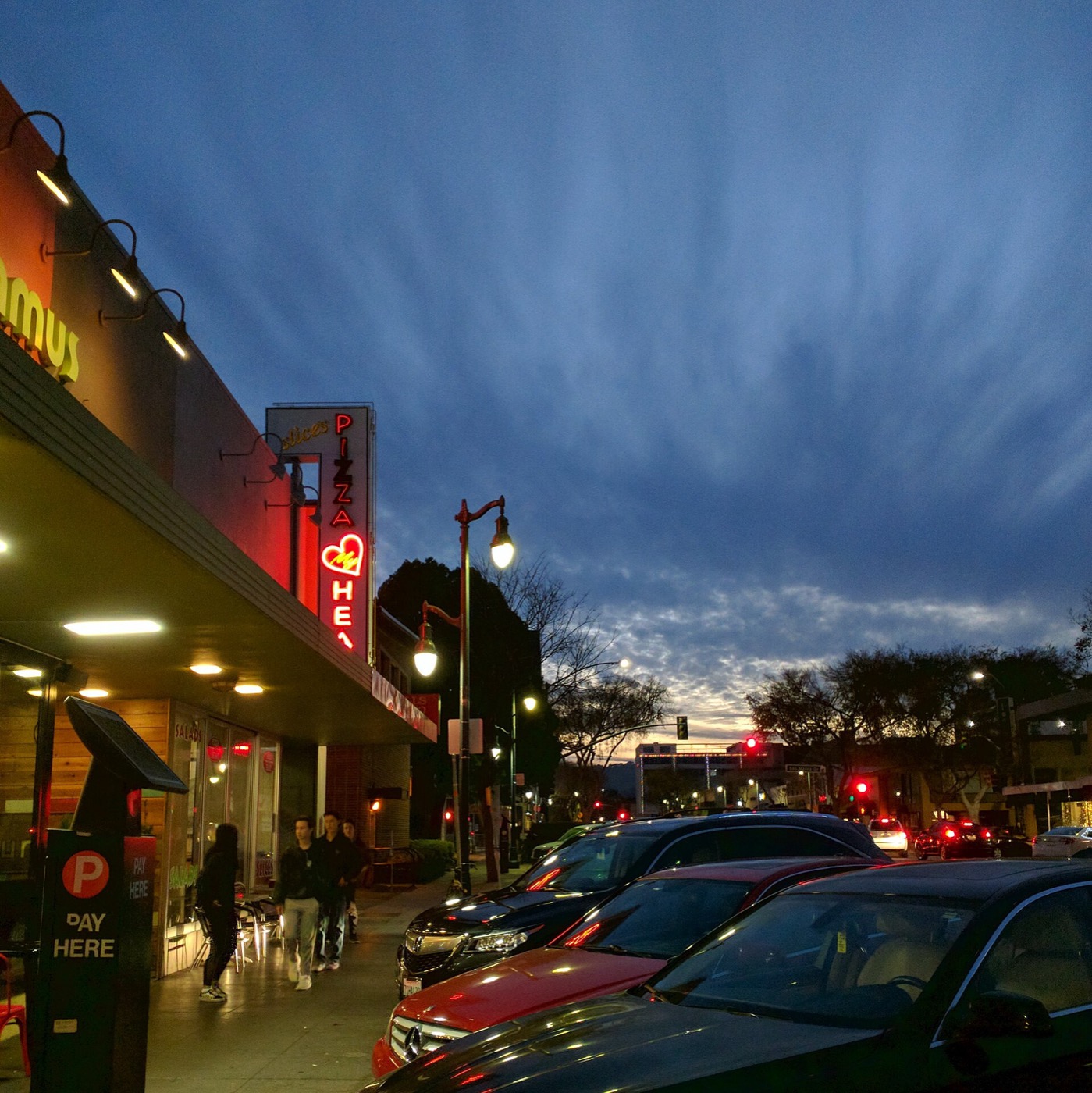
City rhythm
Decide whether you fit a quieter neighborhood, commute convenience, or stronger urban energy.

Commute reality
BART, Caltrain, bridges, and freeways change the cost of daily life.

Future buyer pool
A location you like today should also have a clear future buyer story.
Ranked by importance. Settle the top items before the ones below.
- 1 Commute and daily routine Test the week
- 2 Budget comfort Stay flexible
- 3 School and resale perception Buyer pool matters
- 4 Home condition and risk Inspect carefully
- 5 Lifestyle preference Personal fit
For first-time buyers, read in this order
Build the decision order before focusing on one listing
-
Start here Payment
Confirm loan, tax, insurance, HOA, and cash reserves feel sustainable.
-
Location
Compare city, commute, schools, lifestyle, and future resale together.
-
Documents
Disclosures, inspections, HOA, and appraisal risk can change the real decision.
-
Offer
Before bidding, know why to go higher, why to stop, and what the downside is.
-
By this point you are ahead of most
How do I choose a neighborhood in the Bay Area?
Many buyers begin with a city name because they heard it is popular, because a friend bought there, or because school ratings look strong online. That is a starting point, but it is not enough. A good neighborhood decision begins with demand: what does this buyer's daily life truly require?
I like to separate stated wants from real needs. A buyer may say they want Fremont, Cupertino, or San Mateo, but the deeper reason may be commute, school options, Chinese-speaking community, future resale, budget safety, or wanting a calmer family lifestyle. Once we know the reason behind the city, we can compare locations with more confidence.
Questions That Reveal What Location Actually Fits
Before choosing neighborhoods, I want to understand how the client lives during a normal week. Real estate is not only about bedrooms and price. It is about time, stress, family routine, financial comfort, and long-term flexibility.

- Where do you work today, and where might you work in two to five years?
- Is the commute more important in the morning, evening, or both?
- Do you need BART, Caltrain, ferry, freeway access, or employer shuttle access?
- Are schools a current need, future need, or mainly a resale consideration?
- Do you prefer walkable streets, quiet suburbs, newer townhomes, larger lots, or lower maintenance?
- How much repair risk, HOA cost, insurance concern, or older-home maintenance are you willing to accept?
- If the market changes, would this location still be easy to explain to the next buyer?
How much should commute affect where I buy?
In the Bay Area, commute is not just distance. Five miles can feel easy or impossible depending on the bridge, freeway, train schedule, school drop-off, and time of day. A home that looks cheaper can become expensive if the commute takes away too much daily energy.
For buyers comparing cities like Alameda, Fremont, Hayward, San Mateo, San Jose, or Milpitas, I recommend testing the real commute at the time they would actually travel. Google Maps is useful, but the lived experience matters more. A buyer should know whether they are comfortable with 880, 680, 580, 101, 280, 237, bridge traffic, BART, Caltrain, or ferry rhythm before committing to a location.
How do I research schools before buying a home?
Schools are one of the most misunderstood parts of neighborhood selection. A city name does not guarantee a specific school. Even within the same city, attendance boundaries can change from street to street. That is why school research should be done by exact property address, not only by city reputation.
Ratings can be useful, but they are not the whole story. Families should look at district boundary tools, California School Dashboard data, programs, commute to school, and the needs of the student. For buyers without children, school perception can still affect resale demand, but it should be balanced against price, commute, home quality, and future buyer pool.
Price Range Alone Does Not Tell the Full Story
Two cities may have similar price ranges but very different buyer behavior. A $1.2M home in one city may receive multiple offers because it is in a strong school boundary or near a major commute route. A similar-priced home elsewhere may sit because the layout is awkward, the disclosure risk is high, or the buyer pool is thinner.
When I help a buyer study location, I look at recent closed sales, active competition, pending homes, days on market, price reductions, open house traffic, and the number and quality of offers when available. That tells us whether a neighborhood has true demand or only a high asking price.

Resale Demand Matters Before You Buy
A smart buyer should ask: if I need to sell this home later, who is the next likely buyer? Will they care about the same things I care about? Will they understand this location quickly?
Strong resale stories often include one or more clear reasons: commute convenience, school-boundary demand, larger lot, newer construction, walkability, low maintenance, a unique view, or a price point that attracts many qualified buyers. Weak resale stories often require too much explanation.
A Practical Way to Compare Locations
After the buyer's true demand is clear, I like to compare neighborhoods with a simple decision map. The goal is not to find a perfect city. The goal is to understand tradeoffs before writing an offer.
- Must-have: budget, financing comfort, commute limit, property type, and non-negotiable lifestyle needs.
- Should-have: school preference, newer condition, yard, parking, quiet street, or walkability.
- Tradeoff: older home but better location, smaller home but better commute, larger home but farther from job centers.
- Risk check: appraisal support, inspection issues, HOA health, insurance, flood/fire zone, freeway noise, and resale clarity.
- Market check: recent comps, active competition, offer count, price reductions, and how quickly similar homes go pending.
The Goal Is Confidence, Not Pressure
The best neighborhood decision is the one the buyer can explain clearly. If a client understands why the location fits their daily life, why the price makes sense, what risks exist, and who may want the home in the future, then the offer is no longer emotional guessing.
That is the value I want to provide: not just showing homes, but helping people slow down, ask better questions, and make location decisions with patience, trust, and real information.
Free payment reality check
Want these numbers run for your actual budget?
Send me your target cities and rough budget. I will reply with what the true monthly payment looks like at today's rates, the cash you need beyond the down payment, and the one or two things to verify before you tour. No sign-up, no pressure.
Faster: text or call 510-813-3293, or WeChat Adam1Chen.
Sources and Credits
- MTC Vital Signs commute dataUseful for regional commute context before testing a specific route.
- California School DashboardUse with district boundary tools and address-level school assignment checks.
- Redfin Data CenterA public starting point for market trend context; live comps still matter.
Image: Downtown San Mateo photo: Wikimedia Commons