San Jose is the largest Silicon Valley city, with many submarkets, school districts, commute patterns, and price levels inside one city name.
First-Time Buyer Lens
How to read San Jose before choosing a home
For a first home, do not judge a city only by reputation or a single price. Put payment, commute, schools, property type, condition, and future resale demand into one framework.
Price lane
First, check whether this city fits your real payment range
Then decide whether the daily rhythm fits your life
Buyers compare San Jose for Silicon Valley access and more varied price points; sellers need neighborhood-specific comps because citywide averages are too broad.
Demand signal
Ask whether future buyers will also understand this home
Strong where commute, school district, condition, and price point line up.
School and commute
Do not rely only on map distance
San Jose has many school districts, including San Jose Unified, East Side Union, Berryessa, Evergreen, Cambrian, Union, and more; verify each address. Commute routes include 101, 280, 680, 880, 87, 85, 237, Caltrain, VTA, and routes to San Jose, Santa Clara, Sunnyvale, Mountain View, and Peninsula employers.
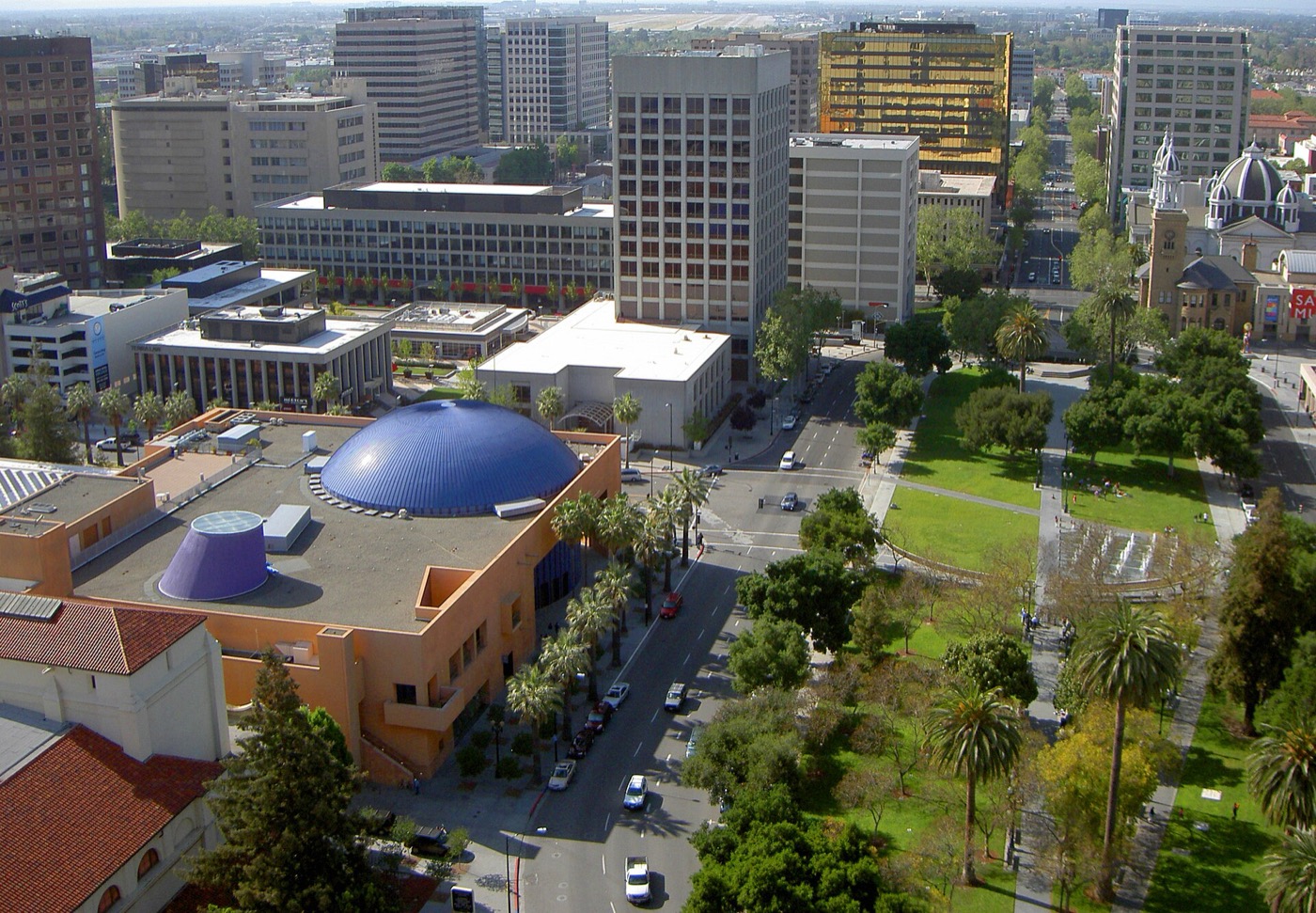
San Jose needs to be read by neighborhood. Willow Glen, Almaden, Evergreen, Berryessa, Cambrian, North San Jose, Downtown, Blossom Valley, and other areas can have very different buyer pools and price behavior.
What Buyers and Sellers Usually Watch
Buyers compare San Jose for Silicon Valley access and more varied price points; sellers need neighborhood-specific comps because citywide averages are too broad.
Market Data Snapshot
Sale Range$600K-$1.2M condo/townhome; $1.0M-$1.8M+ single-family
Rent Range$2.3K-$4.0K/mo apartments/townhomes depending on submarket
Rent TrendLarge city with many submarkets; tech commute and school districts create uneven movement.
Demand SignalStrong where commute, school district, condition, and price point line up.
2021-2026 Estimated Price TrendAnchored to today's price range to show direction, not an exact quoted price.
Price labels are estimated planning ranges based on the current sale range and broad 2021-2026 direction. Refresh with live MLS, Redfin, Zillow, and rental data before publication.
Price and Market Signals
Planning price signal: condos/townhomes often appear around $600K-$1.2M, while many single-family homes run roughly $1.0M-$1.8M+ with premium neighborhoods above that.
Demand is strongest where commute access, schools, home condition, and neighborhood identity line up.
Offer strategy should separate 入门级condos, 较新的townhomes, and single-family homes by district.
People, Lifestyle, and Community Structure
Large diverse city with technology, healthcare, education, service, construction, government, and small-business employment.
Lifestyle ranges from urban downtown to suburban residential and hillside neighborhoods.
Housing and Neighborhood Differences
Housing includes condos, townhomes, older single-family homes, new developments, luxury foothill properties, and multi-unit options.
School district boundaries are complex and can cross neighborhood assumptions.
Neighborhoods and Pockets in San Jose
Willow Glen
Tree-lined streets and a walkable Lincoln Avenue main street, with period homes and a strong neighborhood identity. One of the most consistently requested areas.
Almaden Valley
Southern valley with newer tract homes, larger lots, and hills nearby. Popular with families for space and school reputation.
Rose Garden
Established northwest area near the municipal rose garden with Spanish and Tudor period homes on generous lots.
Evergreen
East side with newer subdivisions, foothill views, and generally more square footage per dollar than the west side.
Cambrian Park
Southwest area of mid-century homes, often cited for schools, sitting between Willow Glen and Los Gatos in both geography and price.
Downtown and SoFA
Urban core with condos, lofts, and older housing nearby, plus transit access. The most walkable and lowest-entry part of the city.
Berryessa
North San Jose near the BART station, with a mix of older tract homes and newer development driven by transit access.
What daily life looks like in San Jose
Walkability
Downtown, Santana Row, and Willow Glen have walkable cores, but San Jose is large and predominantly car-oriented. Daily life in most neighborhoods assumes driving.
Getting around
VTA light rail, Caltrain, and the Diridon hub serve the city, with I-280, I-880, US-101, and CA-87 carrying most commuters. Distances within the city itself can be significant.
Everyday errands
Shopping is distributed across Santana Row, Westfield Oakridge, and neighborhood centers, with extensive Vietnamese, Mexican, and Indian grocery options.
Weekends
Alum Rock and Almaden Quicksilver parks, the Guadalupe River Trail, downtown museums, and professional sports. Weekend range is wide because the city is.
Schools and Education Options
San Jose has many school districts, including San Jose Unified, East Side Union, Berryessa, Evergreen, Cambrian, Union, and more; verify each address.
School ratings vary significantly and should be checked through California School Dashboard, district tools, and address-specific boundaries.
School Names and Research Method
Often-Discussed Public Schools/Districts
San Jose Unified School District
East Side Union High School District
Evergreen Valley High School
Leland High School
Pioneer High School
Lincoln High School
Nearby Private/Independent School References
The Harker School
Bellarmine College Preparatory
Presentation High School
Valley Christian Schools
BASIS Independent Silicon Valley
How to Evaluate Fit
San Jose has many districts; city name alone is not enough.
Confirm district, school, and program by address.
Jobs and Commute
Commute routes include 101, 280, 680, 880, 87, 85, 237, Caltrain, VTA, and routes to San Jose, Santa Clara, Sunnyvale, Mountain View, and Peninsula employers.
North San Jose may commute differently than Almaden or Evergreen.
August 2026 maintenance checked Redfin city-market signals, district/CDE school sources, and commute context; use live comps by neighborhood and district because San Jose citywide averages can mislead buyers and sellers.
San Jose buyers should compare budget, commute, school boundaries, property type, condition risk, and future resale demand instead of relying only on the city name or a single price.
What should I check before buying in San Jose?
Check the exact address, school boundary, commute route, recent closed sales, active competition, HOA or older-home risk, and then decide whether the offer strategy makes sense.
How should sellers prepare a San Jose home?
Sellers should study recent sales and current competition before deciding repairs, cleaning, staging, photography, launch timing, and negotiation priorities.
How do I compare San Jose with nearby cities?
Compare commute, schools, price range, housing type, lifestyle, and future buyer pool together. Neighboring cities can look close but attract different demand.
 加州房价要下跌?这五个城市跌最狠!买房机会来了?
 一份工作与梦想开始的地方!生活VLOG