Milpitas is a North San Jose/South Bay commute market with BART, 680/880/237 access, 较新的townhomes, and strong tech-worker demand.
First-Time Buyer Lens
How to read Milpitas before choosing a home
For a first home, do not judge a city only by reputation or a single price. Put payment, commute, schools, property type, condition, and future resale demand into one framework.
Price lane
First, check whether this city fits your real payment range
Then decide whether the daily rhythm fits your life
Buyers usually focus on tech commute, 较新的房型, school options, HOA costs, and price relative to Fremont/Santa Clara; sellers need to position against nearby new construction and townhome inventory.
Demand signal
Ask whether future buyers will also understand this home
Strong for newer homes with clean HOA documents and practical 237/880/680 access.
School and commute
Do not rely only on map distance
Milpitas Unified is the main public-school district; verify address-level assignment. BART, 680, 880, 237, VTA, San Jose, Fremont, Santa Clara, Sunnyvale, and major tech campuses shape demand.
Milpitas benefits from being close to major South Bay employers while still offering more varied housing than some premium Silicon Valley cities. Buyers often compare Milpitas with Fremont, North San Jose, Santa Clara, and Berryessa.
What Buyers and Sellers Usually Watch
Buyers usually focus on tech commute, 较新的房型, school options, HOA costs, and price relative to Fremont/Santa Clara; sellers need to position against nearby new construction and townhome inventory.
Market Data Snapshot
Sale Range$800K-$1.3M condo/townhome; $1.4M-$2.0M+ single-family
Rent Range$2.6K-$4.2K/mo apartments/townhomes; newer units command premium
Rent TrendTech commute and BART access support demand, but HOA/newer inventory changes pricing.
Demand SignalStrong for newer homes with clean HOA documents and practical 237/880/680 access.
2021-2026 Estimated Price TrendAnchored to today's price range to show direction, not an exact quoted price.
Price labels are estimated planning ranges based on the current sale range and broad 2021-2026 direction. Refresh with live MLS, Redfin, Zillow, and rental data before publication.
Price and Market Signals
Planning price signal: condos/townhomes often run roughly $800K-$1.3M, while many single-family homes run roughly $1.4M-$2.0M+ depending on size, condition, and location.
Demand is strongest for 较新的房源, practical commute access, and clean HOA documents.
Townhome pricing should account for HOA dues, reserves, builder age, and nearby inventory.
People, Lifestyle, and Community Structure
Strong technology and professional commuter base with many households connected to South Bay employers.
Lifestyle is practical, commute-driven, and connected to retail, BART, and freeway corridors.
Housing and Neighborhood Differences
Housing includes 较新的townhomes/condos, older single-family homes, and hillside-adjacent pockets.
Buyers should review HOA, noise, commute, school boundary, and environmental/location factors.
Neighborhoods and Pockets in Milpitas
Milpitas Hills / Summitpointe
Eastern hillside area with larger homes, views over the valley, and a quieter, more private setting.
Sinclair Horizon and Parktown
Established central tract neighborhoods with consistent mid-century housing and easy access to the main corridors.
Milpitas BART area
Around the Milpitas transit center at Great Mall, with newer townhomes and condos built around transit access.
Great Mall district
Retail and commercial hub with newer multi-family housing nearby, convenient but busier.
Berryessa border pockets
Southern streets bordering San Jose where city services and school districts change; confirm both by address.
What daily life looks like in Milpitas
Walkability
Largely car-dependent suburban layout, with the Great Mall area and the newer transit village near Milpitas BART offering the most walkable pockets.
Getting around
Milpitas BART and VTA light rail connect to Fremont, San Jose, and the wider system, with I-880 and CA-237 for drivers. Central position keeps South Bay commutes short.
Everyday errands
The Great Mall anchors shopping, alongside a dense concentration of Asian supermarkets and restaurants along Calaveras and Jacklin.
Weekends
Ed Levin County Park for hiking and hang gliding, plus easy access to both the East Bay hills and South Bay attractions.
Schools and Education Options
Milpitas Unified is the main public-school district; verify address-level assignment.
School demand can influence pricing, but ratings should be checked with California School Dashboard and district data.
School Names and Research Method
Often-Discussed Public Schools/Districts
Milpitas Unified School District
Milpitas High School
Thomas Russell Middle School
Rancho Milpitas Middle School
Mabel Mattos Elementary School
Nearby Private/Independent School References
Stratford School nearby
Merryhill School
Challenger School nearby
How to Evaluate Fit
Milpitas school demand often connects with commute demand.
Check exact boundaries and district enrollment details.
Jobs and Commute
BART, 680, 880, 237, VTA, San Jose, Fremont, Santa Clara, Sunnyvale, and major tech campuses shape demand.
237 and 880 traffic can make time-of-day commute testing essential.
August 2026 maintenance checked Redfin city-market signals, school sources, and commute context; refresh live comps by property type and compare Milpitas townhomes against North San Jose and Fremont options.
Milpitas buyers should compare budget, commute, school boundaries, property type, condition risk, and future resale demand instead of relying only on the city name or a single price.
What should I check before buying in Milpitas?
Check the exact address, school boundary, commute route, recent closed sales, active competition, HOA or older-home risk, and then decide whether the offer strategy makes sense.
How should sellers prepare a Milpitas home?
Sellers should study recent sales and current competition before deciding repairs, cleaning, staging, photography, launch timing, and negotiation priorities.
How do I compare Milpitas with nearby cities?
Compare commute, schools, price range, housing type, lifestyle, and future buyer pool together. Neighboring cities can look close but attract different demand.

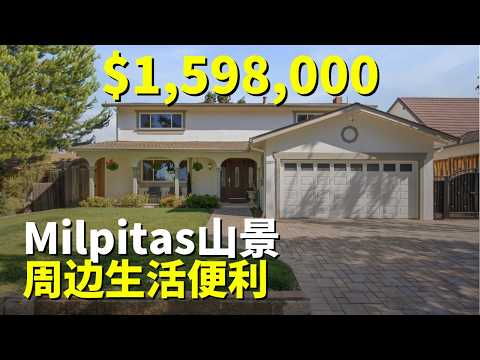 有山景核心地带房源|湾区Milpitas房产