
Published Updated
Check whether this matches your current buying, selling, or location decision.
Scan the key points first, then decide whether to read the full analysis.
Should a first-time buyer buy a condo, townhome, or single-family home?
I do not want first-time buyers to feel that one property type is automatically smart or automatically bad. The smarter question is whether the...
For a first-time buyer, choosing the property type can be more important than choosing the exact listing. A condo, townhome, and single-family home can all be smart. They can also all be wrong if the tradeoff does not match your life.
There is no universally best first home. A condo, townhome, and single-family home each solve a different problem. The right choice depends on monthly cost, control, maintenance, HOA risk, space, commute, and who will want the home when you sell later.
I do not want first-time buyers to feel that one property type is automatically smart or automatically bad. The smarter question is whether the tradeoffs match your life and whether the next buyer will understand them too.
You might be wondering
If any of these sound like you, this guide was written for you.
- Should a first-time buyer buy a condo, townhome, or single-family home?
- Is a condo good for first-time home buyers?
- What are the risks of buying a condo with an HOA?
- How do townhomes compare with single-family homes?
- What should Bay Area first-time buyers check before buying a condo or townhome?
Visual Context
Make the decision easier to see

Space that works
Rooms, storage, and flow matter more in daily life than square-footage numbers.

The long hold
Think about who lives here in five years, and who buys it after you.
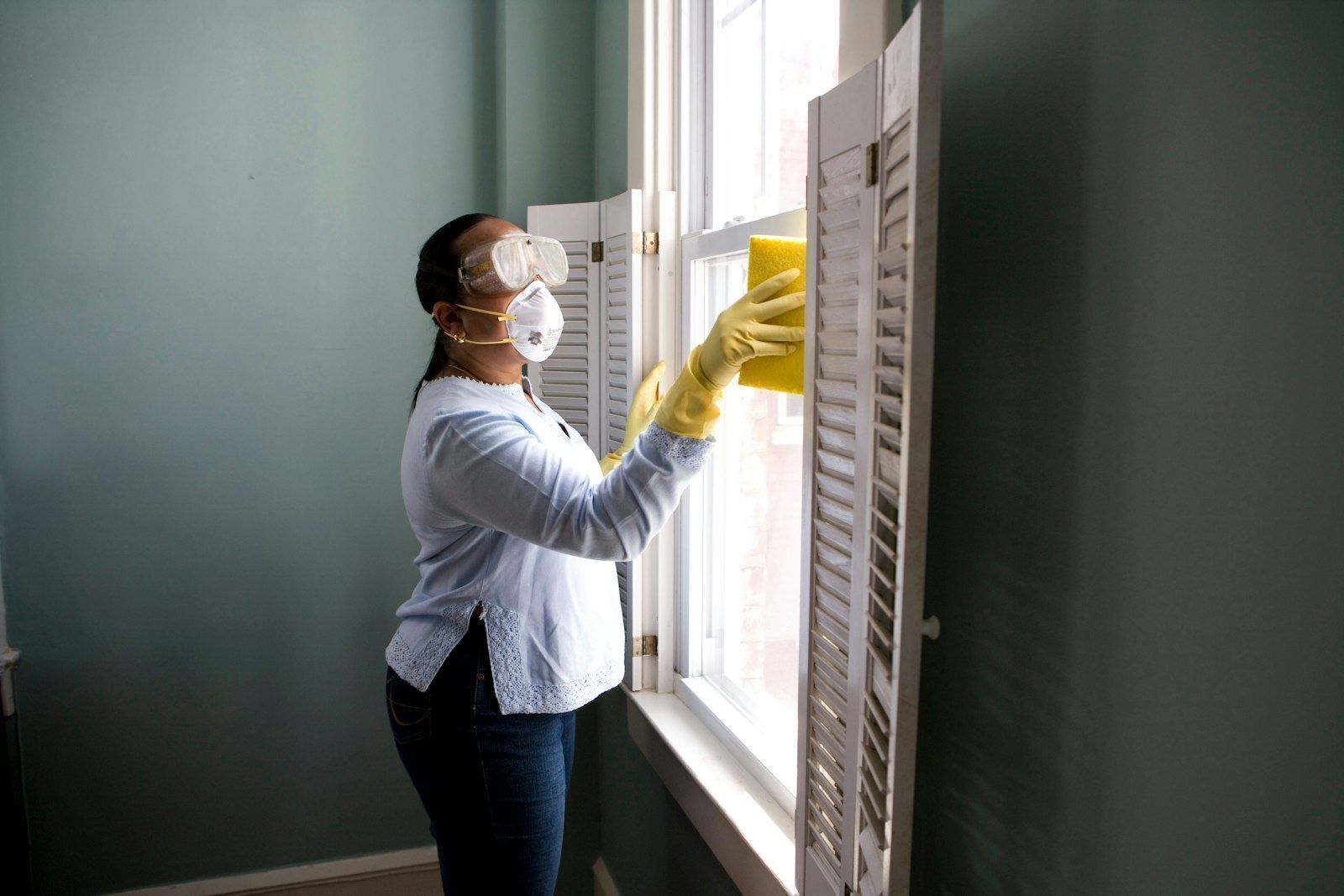
Condition tells a story
Maintenance history hints at what the next owner will inherit.
Ranked by importance. Settle the top items before the ones below.
- 1 Monthly payment clarity Can you afford it?
- 2 Space and lifestyle fit Can you live well?
- 3 HOA and financing risk Check before offer
- 4 Maintenance responsibility Who fixes what?
- 5 Future buyer pool Think resale
Informed by: Fannie Mae project standards, HUD buying a home resources
For first-time buyers, read in this order
Build the decision order before focusing on one listing
-
Start here Payment
Confirm loan, tax, insurance, HOA, and cash reserves feel sustainable.
-
Location
Compare city, commute, schools, lifestyle, and future resale together.
-
Documents
Disclosures, inspections, HOA, and appraisal risk can change the real decision.
-
Offer
Before bidding, know why to go higher, why to stop, and what the downside is.
-
By this point you are ahead of most
Should I buy a condo, a townhome, or a single-family home?
Some buyers are told condos are the best first step because they cost less. Others are told only single-family homes are worth buying. Both statements can be too simple. The right answer depends on your budget, commute, lifestyle, maintenance tolerance, and how long you expect to stay.
A first home is not only an asset. It is also a daily environment. You need to know what you are asking the home to do for you before deciding which property type makes sense.
Condos: Lower Entry Price, More Shared Decisions
A condo can be a strong first home if it gives you a better location, lower entry price, less maintenance, and a lifestyle that matches your current stage. In the Bay Area, condos can help buyers access cities or commute corridors that may be difficult with a single-family budget.
But a condo is not only your unit. You are buying into a building or association. HOA dues, reserves, insurance, rental rules, litigation, special assessments, owner occupancy, and building condition can affect your monthly cost, financing, and resale. A cheap condo is not automatically affordable if the building risk is high.

Townhomes: The Practical Middle
Townhomes often sit between condo and single-family. You may get more space, a garage, direct entry, newer construction, and a more residential feeling than a condo. At the same time, many townhomes still have HOA dues, shared walls, shared roofs, community rules, and common-area obligations.
For many first-time buyers, this middle can be very practical. The question is whether the HOA cost and rules feel reasonable compared with the space and lifestyle you gain. Do not compare only the purchase price. Compare the monthly payment, HOA documents, reserves, insurance, layout, parking, and future resale audience.
Single-Family Homes: More Control, More Responsibility
A single-family home usually gives more control: land, yard, exterior decisions, privacy, expansion potential, and broader buyer demand in many Bay Area markets. For buyers planning kids, pets, multi-generational living, or long-term ownership, that control can matter a lot.
The tradeoff is responsibility. Roof, foundation, plumbing, drainage, sewer lateral, electrical, landscaping, insurance, and maintenance are yours. The monthly payment may be higher, and the repair reserve should be more serious. Owning more control also means owning more problems when they appear.
Why does HOA review matter more in 2026?
In 2026, condo and project review is not just a paperwork detail. Fannie Mae and Freddie Mac announced updates to condominium project standards and property insurance requirements. Fannie Mae materials discuss reserve allocation, reserve study requirements, special assessment questions, and lender review standards. Freddie Mac says its revised requirements are intended to improve project financial health and sustainable homeownership.
For a buyer, the practical lesson is simple: do not treat the HOA package as boring paperwork. A weak HOA can affect monthly cost, future dues, special assessment risk, buyer confidence, and even whether financing is available for future buyers.
What should I check before buying a condo or townhome?
If you are considering a condo or townhome, ask for the HOA package early and review it with your agent and lender. The goal is not to become an HOA lawyer. The goal is to understand whether the monthly dues are buying stability or hiding deferred problems.
A well-run association can make ownership easier. A poorly funded or poorly managed association can make a lower entry price feel expensive later.
- Monthly HOA dues and what they include.
- Budget, reserve study, reserve funding, and recent increases.
- Any special assessments, pending repairs, lawsuits, or insurance issues.
- Rental restrictions, pet rules, parking rules, and owner occupancy.
- Meeting minutes, maintenance history, and major upcoming projects.
- Whether your lender sees any project eligibility concerns.
Think About the Next Buyer Too
A first-time buyer naturally thinks about entering the market. But you should also think about leaving the home one day. Who is the next buyer? A young professional, a family, an investor, a downsizer, a commuter, or another first-time buyer? The clearer the future buyer pool, the easier the resale story becomes.
A condo in a great location with healthy HOA documents may be easier to explain than a larger home with awkward repairs. A townhome with a strong layout may outperform a bigger but less practical property. A single-family home with land may hold broad appeal, but only if the condition and price make sense.
Choose the Tradeoff You Can Explain
The best property type is the one where you can explain the tradeoff without forcing it. We chose the condo because location and low maintenance matter most for the next five years. We chose the townhome because it balances space and commute. We chose the single-family home because control, yard, and long-term flexibility are worth the higher responsibility.
That kind of clarity is what I want for first-time buyers. Not a rushed answer, not a trendy answer, but a decision you can live with and explain.
Free payment reality check
Want these numbers run for your actual budget?
Send me your target cities and rough budget. I will reply with what the true monthly payment looks like at today's rates, the cash you need beyond the down payment, and the one or two things to verify before you tour. No sign-up, no pressure.
Faster: text or call 510-813-3293, or WeChat Adam1Chen.
Related Local Guides
Helpful External Resources
Sources and Credits
- HUD buying a home resourcesHUD emphasizes affordability, rights, homebuying programs, and HUD-approved housing counseling.
- Fannie Mae Lender Letter LL-2026-03Official Fannie Mae update on project standards and property insurance requirements for condos and other project developments.
- Fannie Mae project standards FAQsExplains project review, reserve, special assessment, and eligibility questions lenders evaluate for condo projects.
- Fannie Mae Full Review processShows lender review items such as budget adequacy, replacement reserves, and delinquency limits.
- Freddie Mac Bulletin 2026-CFreddie Mac states its revised condominium requirements are intended to improve project financial health and sustainable homeownership.
Image: Visualization by Adam Chen, based on HUD, Fannie Mae, and Freddie Mac buyer guidance.