Published Updated
Check whether this matches your current buying, selling, or location decision.
Scan the key points first, then decide whether to read the full analysis.
What should I fix before selling my house?
When I walk a home before listing, I am not only looking at paint, furniture, and photos. I am asking: what would make a serious buyer pause, ask for...
Selling a home well starts before the listing goes online. The details that matter most are usually the ones buyers feel immediately: clean condition, light, smell, simple repairs, layout clarity, professional media, pricing confidence, and complete disclosure preparation.
The best seller preparation is not about spending the most money. It is about removing buyer doubt before the first showing: condition, presentation, price, documents, and the story the market can understand quickly.
When I walk a home before listing, I am not only looking at paint, furniture, and photos. I am asking: what would make a serious buyer pause, ask for a discount, lose trust, or move on to the next home?
You might be wondering
If any of these sound like you, this guide was written for you.
- What should I fix before selling my house?
- What repairs are worth it before listing a home?
- Should I stage my home before selling?
- Do I need an inspection before I list?
- How long does it take to prepare a home for sale?
Visual Context
Make the decision easier to see

The home itself
Look at space, condition, maintenance, and resale before only reacting to photos.

Space clarity
Staging is not decoration. It helps buyers understand the space faster.

Launch presentation
Photo, video, copy, and open houses should support the pricing strategy.
Data source: NAR 2025 Profile of Home Staging, NAR 2025 Remodeling Impact Report, Zillow 2025 Consumer Housing Trends Report for Agents
Use this guide through four seller questions
Seller prep should make buyers trust the home faster
-
Start here Condition
Which details may create concern about maintenance, insurance, financing, or future repairs.
-
Presentation
Whether photos, staging, and flow help buyers understand the space quickly.
-
Price
Whether the asking strategy is supported by sales, competition, and demand evidence.
-
Negotiation
After offers arrive, compare price, terms, risk, and timing together.
-
By this point you are ahead of most
What should I do before listing my house?
Many sellers ask the same question: what should I fix before selling? The answer is not automatically a full remodel. In most cases, the better question is: what would make a buyer hesitate, reduce their offer, or feel uncertain during escrow?
Buyer confidence is the real product. A home can have older finishes and still sell well if it is clean, clear, priced correctly, and honestly documented. A home can also look beautiful online but lose momentum if buyers discover hidden maintenance problems, unclear permits, awkward disclosures, poor lighting, or a price that does not match the market.
Start With Current Market Reality
The 2026 market is not one simple story. C.A.R. reported that California's May 2026 median single-family home price reached $930,260, while sales rose 5.1% from a year earlier. At the same time, the statewide sales pace remained below the 300,000-unit benchmark for the 44th straight month, which means sellers still need to respect affordability and buyer selectiveness.
Redfin's California data for May 2026 showed 36.3% of homes selling above list price, a 99.7% sale-to-list ratio, and 17.2% of homes with price drops. That is a useful reminder: strong homes can still create competition, but the wrong price or weak presentation can still force a seller into adjustment.

Fix Visible Maintenance Before Fancy Upgrades
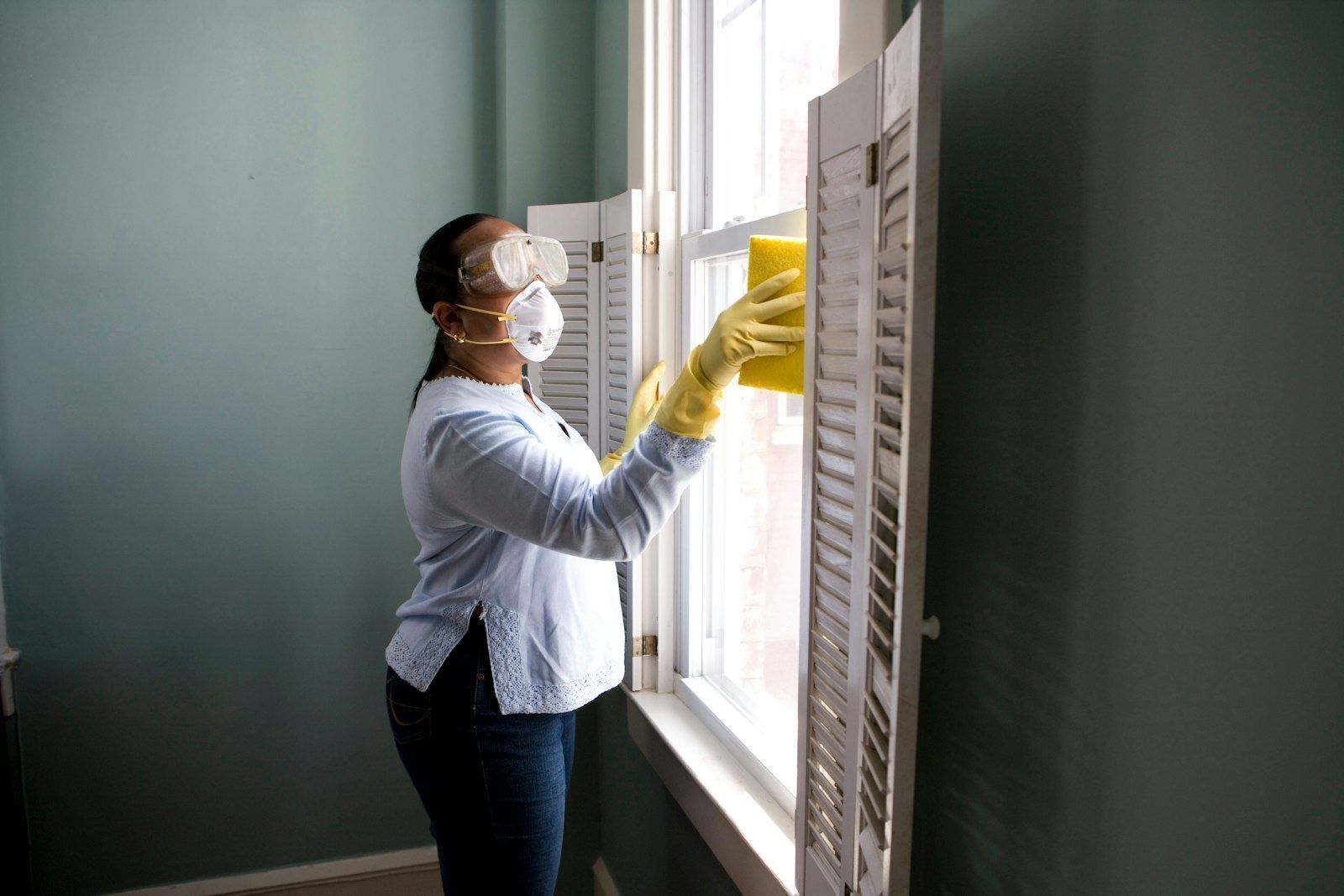
The first layer of prep is not design. It is trust. Buyers notice peeling paint, damaged baseboards, stained carpet, loose handles, broken fixtures, bad smells, dirty vents, slow drains, roof concerns, water stains, and signs of deferred maintenance. Even if the repair is small, the buyer may start wondering what else has been ignored.
Before choosing large projects, sellers should separate repairs into three groups: visible buyer-confidence items, safety or functional issues, and optional cosmetic upgrades. Visible items are usually the fastest wins. Safety and function should be discussed carefully because they can affect disclosures, insurance, lending, and negotiation. Optional upgrades should be judged by the specific buyer pool, not by personal taste.
- High priority: leaks, roof concerns, electrical or plumbing problems, safety hazards, pest issues, drainage concerns, broken systems, and anything likely to appear in inspection.
- Medium priority: paint touch-ups, lighting, hardware, door function, caulking, cleaning, landscaping, carpet cleaning, and minor drywall repair.
- Optional: full kitchen remodels, luxury finishes, major flooring replacement, or style-specific design changes unless the local comps clearly support it.
Is staging worth it when selling a home?
NAR's 2025 Profile of Home Staging found that 83% of buyers' agents said staging made it easier for buyers to visualize the property as a future home. That is the point. Staging is not just making a room look pretty. It tells buyers how the space works.
For many Bay Area homes, especially smaller condos, older single-family homes, or properties with unusual layouts, staging can answer silent buyer questions: Where does the dining table go? Can this room be an office? Does the living room feel big enough? Is the primary bedroom comfortable? If buyers have to work too hard to imagine the home, they may move on.
Price Is Part of Presentation
A seller can prep the home beautifully and still lose the market with the wrong price. Pricing is not only a number. It is a signal. If the price is too high, buyers compare it against better options and wait. If the price is too low without strategy, the seller may create attention but also attract the wrong expectation. The right price depends on recent comparable sales, active competition, property condition, buyer urgency, and the story the home can tell.
Realtor.com's May 2026 report described a national market where sellers were increasingly pricing for current conditions instead of testing the ceiling and cutting later. That is an important lesson. A clean launch price often protects momentum better than an optimistic price that needs a public correction.

Online Media Is the First Showing
Most buyers do not first meet the home at the open house. They meet it through photos, floor plans, video, search filters, and social media. Zillow's 2025 buyer research ranked floor plans, high-resolution photos, and 3D or virtual tours as top listing features that prospective buyers value. The media package should make the home easier to understand, not just prettier.
Good media also protects the seller's time. When photos, floor plans, captions, and disclosure context are clear, buyers who tour are more likely to understand what they are seeing. That can improve showing quality, reduce confused feedback, and make offer conversations more serious.
Disclosures and Documents Should Be Ready Early
Seller preparation is not only physical. It is also paperwork. Before launch, sellers should gather documents that help explain the home: permits when available, roof or system invoices, HOA documents, inspection reports if ordered, appliance information, warranties, remodel records, utility or solar information, and known issue explanations.
This matters because buyer confidence often gets tested after the offer, when disclosures and inspections become real. A prepared seller can answer questions faster. An unprepared seller may create delays, renegotiation, or doubt.
How long does it take to prepare a home for sale?
A calm listing usually starts two to six weeks before the public launch, depending on condition. The first visit should identify buyer objections, pricing range, repair priorities, staging plan, media plan, and document needs. After that, the seller can decide what work is worth doing and what should simply be disclosed.
One week before launch, the home should be clean, staged or styled, photographed, measured if needed, and ready for copywriting. By launch day, the listing should have a clear price story, strong photos, complete showing instructions, and enough documentation that serious buyers can move quickly.
- 2-6 weeks before launch: walkthrough, pricing strategy, repair list, disclosure review, vendor scheduling.
- 1-3 weeks before launch: cleaning, paint or repairs, landscaping, staging, pre-listing inspections if appropriate.
- Launch week: photography, floor plan, video, listing copy, MLS preparation, open house and showing plan.
- After launch: track traffic, buyer feedback, competing listings, offer quality, and whether the price still matches market response.
The Goal Is Confidence, Not Perfection
A seller does not need to make the home perfect. Perfect can be expensive and sometimes unnecessary. The goal is to make the home easy to trust. Buyers should understand the layout, condition, price, documents, and future use without feeling like they are guessing.
That is the value of preparation. It gives the seller more control before the market reacts. It gives buyers fewer reasons to discount the home. And it makes the listing feel professional, honest, and ready.
Free prep walkthrough
Deciding what to fix and what to skip before listing?
Tell me the city and a little about the home. I will reply with which repairs actually change your buyer's confidence in your price lane, and which spending is wasted. You decide what to do with it.
Faster: text or call 510-813-3293, or WeChat Adam1Chen.
Sources and Credits
- NAR 2025 Profile of Home StagingUsed for staging, buyer visualization, and room-priority context.
- NAR 2025 Remodeling Impact ReportUsed for pre-sale remodeling priorities such as paint and roof condition.
- Zillow 2025 Consumer Housing Trends ReportUsed for buyer expectations around floor plans, photos, and virtual tours.
- California Association of Realtors May 2026 Home Sales and Price ReportUsed for current California seller-market context.
- Redfin California Housing MarketUsed for current sale-to-list, price drop, and above-list market signals.
- Realtor.com May 2026 Monthly Housing ReportUsed for national pricing and seller expectation context.
Image: Unsplash