Published Updated
Check whether this matches your current buying, selling, or location decision.
Scan the key points first, then decide whether to read the full analysis.
Is the San Francisco housing market competitive again in 2026?
When a client asks whether the Bay Area is hot again, I do not answer with one headline. I ask: which city, which neighborhood, which price point,...
San Francisco and San Jose can feel competitive again in 2026, but that does not mean every Bay Area listing is hot. The better read is more specific: buyer demand is concentrating around good homes in strong locations, especially when inventory is limited and tech confidence improves.
The Bay Area market is not uniformly hot. Competition is returning first where good inventory is scarce and buyer confidence is strongest: well-located, well-prepared, correctly priced homes in San Francisco, San Jose, and nearby job-centered markets. Weak pricing, major condition issues, HOA uncertainty, or the wrong product type can still sit.
When a client asks whether the Bay Area is hot again, I do not answer with one headline. I ask: which city, which neighborhood, which price point, which property type, and how clean is the listing? That is where the real competition shows up.
Questions this guide helps you answer
- Is the San Francisco housing market competitive again in 2026?
- Why are San Jose homes still getting multiple offers?
- Does AI demand affect Bay Area housing prices?
- How should buyers and sellers read above-list-price data?
Visual Context
Make the decision easier to see

SF competition
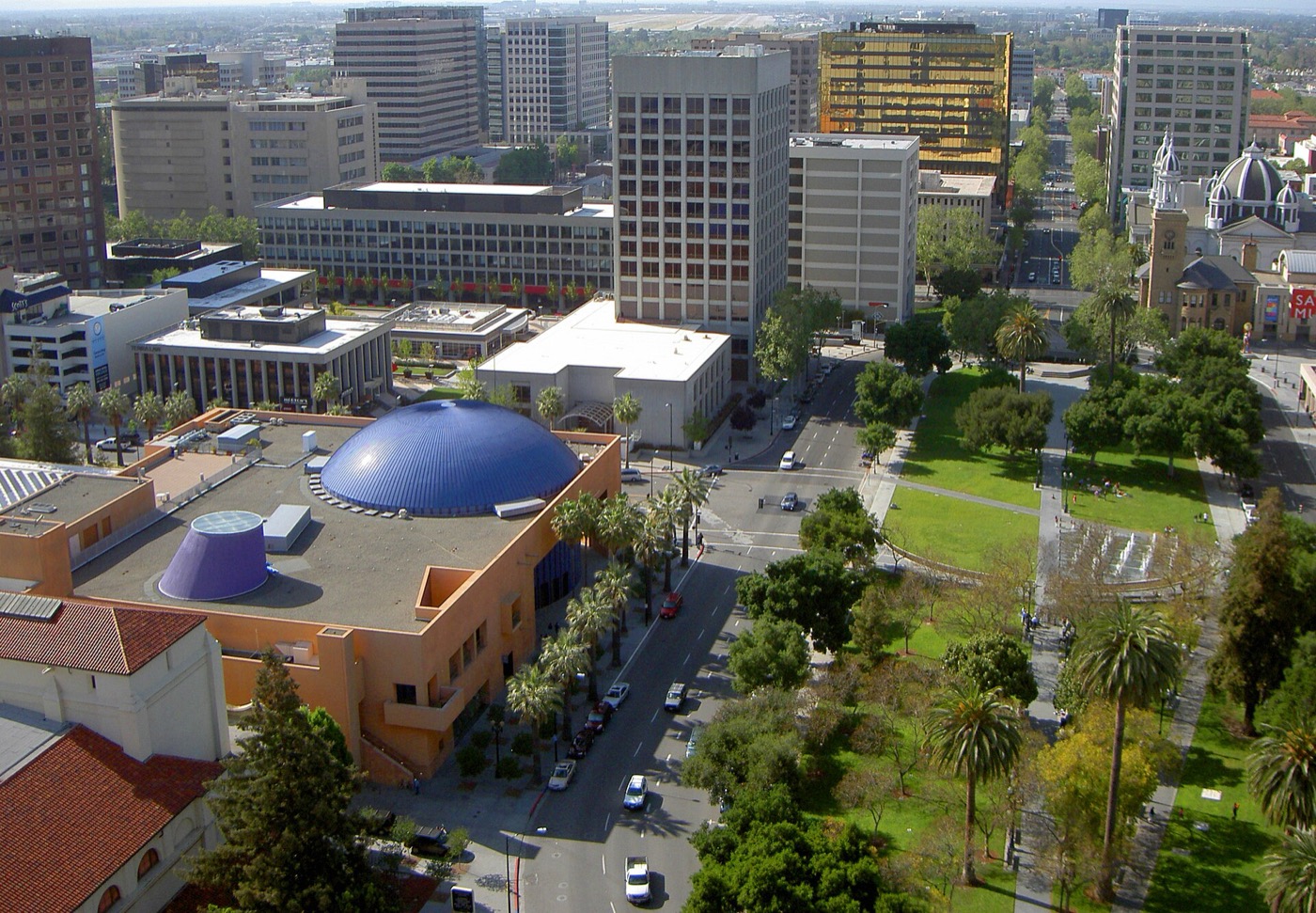
Competition returns first to well-located, clean, well-priced homes.
San Jose demand
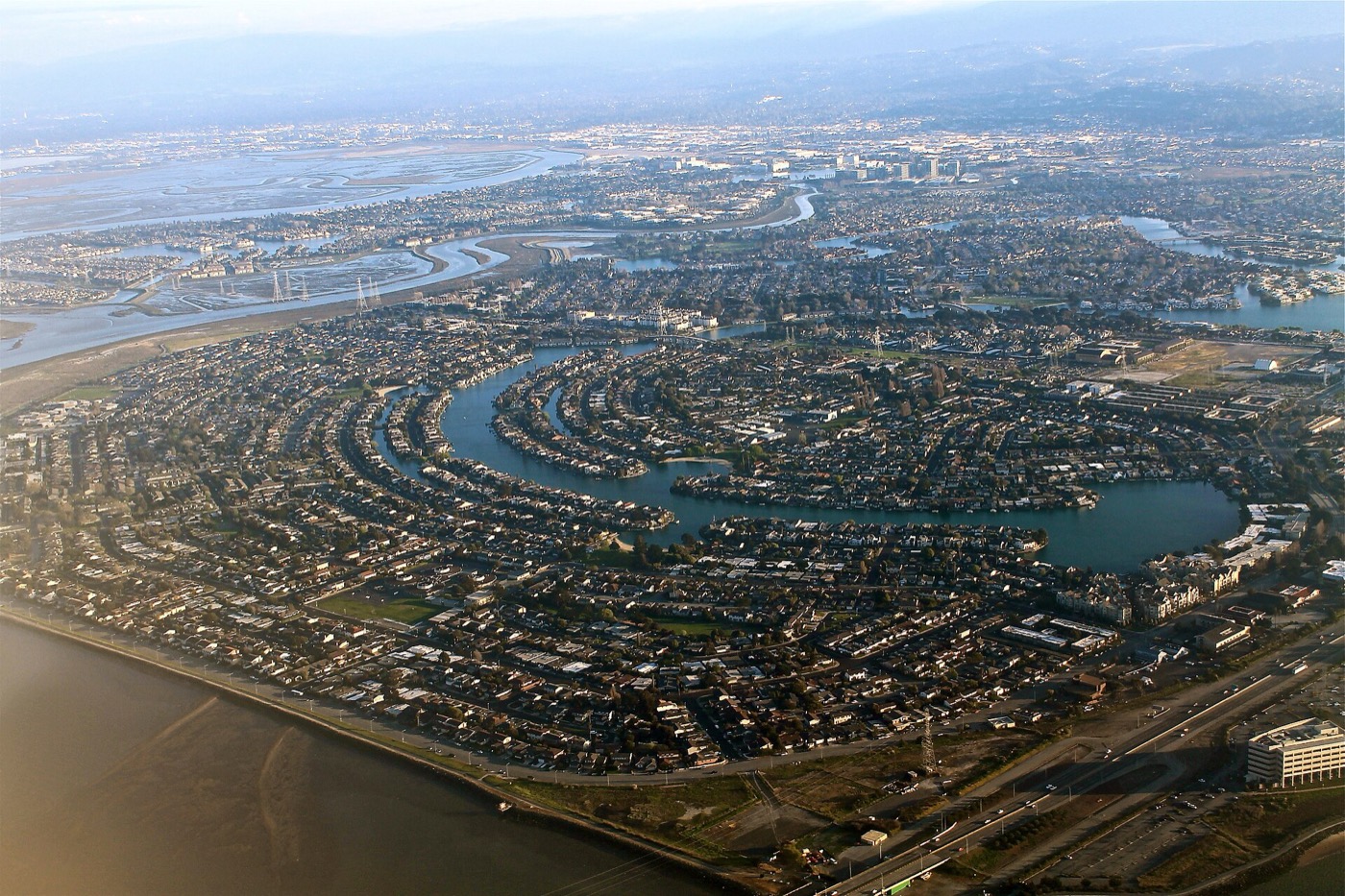
Jobs, inventory, and home condition all influence buyer action.
Tech narrative
AI and tech job confidence can affect buyer psychology and budget.
Data source: Redfin competition report cited by source post
Read market news in layers
Market headlines only matter after they connect to your city, budget, and property type
Check whether the news is statewide, Bay Area-wide, or specific to your city and price lane.
Low inventory does not mean every home is strong. Ask whether good homes are truly scarce.
Buyer speed depends on price, condition, location, and confidence.
Bring the story back to whether you should wait, tour, offer, or sell.
Is the San Francisco and San Jose market competitive right now?
The XHS source cites Redfin May 2026 competition data showing 55.6% of San Jose homes, 43.3% of San Francisco homes, and 33.3% of Oakland homes selling above list price. The point is not that one city is always better than another. The point is that buyer competition is clustering, not spreading evenly.
Above-list data can be useful, but it needs context. A home can sell above list because it was priced strategically, because inventory was thin, because multiple buyers wanted that exact neighborhood, or because the property type matched what buyers could not easily replace.
Why SF And San Jose Are Showing Strength
San Francisco and San Jose sit close to major job centers, commute infrastructure, and high-income buyer pools. When confidence improves among tech and AI workers, some buyers move earlier because they want to secure location before competition becomes even more obvious.
That does not mean every AI employee is buying a home or that prices must rise. It means a stronger employment narrative can increase confidence among buyers who already have the income, down payment, and reason to act.

Why is the gap between good and weak homes widening?
The listings most likely to attract competition usually have a few things in common: clear location logic, clean condition, reasonable pricing, a floor plan that fits current buyers, and limited close substitutes. Single-family homes and certain townhomes can feel very different from condos with HOA, insurance, or special-assessment concerns.
On the other side, homes with ambitious pricing, deferred maintenance, uncertain HOA costs, or a narrow buyer pool can still sit. This is why a seller cannot simply hear “the market is back” and price like it is 2021.
What should buyers and sellers do about it?
Buyers should decide early which segments are truly competitive and prepare accordingly: financing, disclosures, offer terms, inspection strategy, and walk-away limits. Speed matters only after the target is clear.
Sellers in San Francisco or San Jose should treat preparation and pricing as strategy, not paperwork. If the home is in a strong location and presents well, the market may reward it. If it has issues, the pricing needs to acknowledge them from the start. This article is educational market commentary, not investment advice or a guarantee of future appreciation.
Related Local Guides
Helpful External Resources
Sources and Credits
- Redfin Most Competitive Housing Markets ReportUsed for above-list-price competition signals cited in the XHS source.
- Redfin San Francisco Home Prices ReportUsed for San Francisco price and AI-demand context cited in the XHS source.
- Redfin San Francisco Housing MarketUsed as an ongoing city-market reference.
- Redfin San Jose Housing MarketUsed as an ongoing city-market reference.
- San Francisco Chronicle real estate coverageUsed as a secondary local-news context source from the XHS package.
Image: Adam Chen original XHS cover image