.jpg?width=1600)
Published Updated
Check whether this matches your current buying, selling, or location decision.
Scan the key points first, then decide whether to read the full analysis.
Why did California hit a record median home price in May 2026?
When I explain this market to clients, I separate the headline from the house. The headline says California is at a record. The house-level question...
California just hit another record median home price, but that does not mean every listing is flying. The better question is whether the market is broadly hot or whether good homes are scarce enough that the few strong options still get bid up.
California's record median price does not automatically mean every home is hot. It shows a supply-constrained, split market: scarce desirable homes near jobs, schools, transit, and lifestyle centers still attract serious buyers, while overpriced or weaker homes can sit longer.
When I explain this market to clients, I separate the headline from the house. The headline says California is at a record. The house-level question is different: is this specific home one of the few good options buyers will fight for, or is it one of the homes buyers compare against and skip?
You might be wondering
If any of these sound like you, this guide was written for you.
- Why did California hit a record median home price in May 2026?
- Is the California housing market actually hot or just low on good inventory?
- Why are some homes getting multiple offers while other listings sit?
- How should buyers and sellers read statewide price records?
Visual Context
Make the decision easier to see
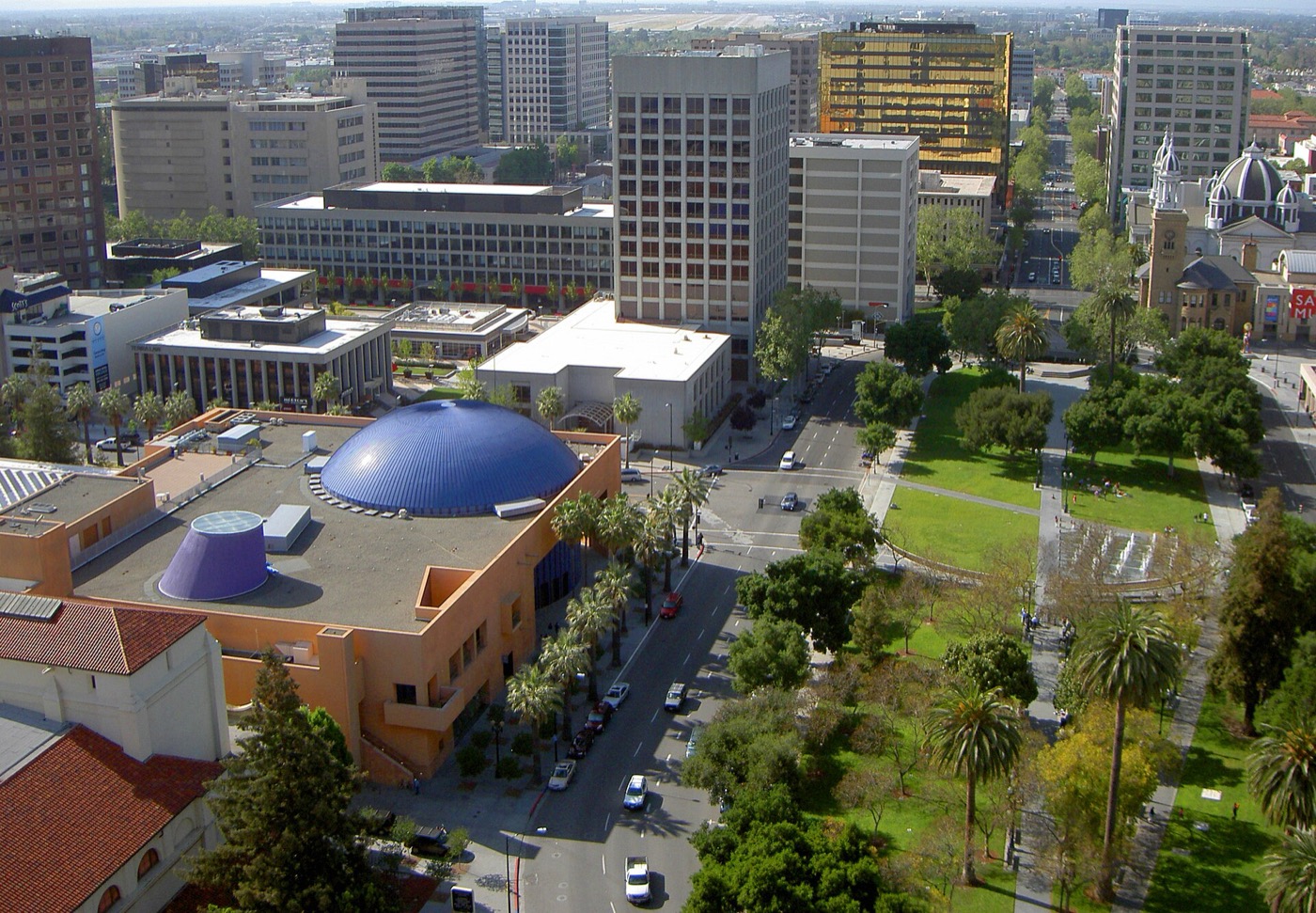
Price is not everything
A record median can reflect sales mix, not universal strength for every home.

Supply sets the rhythm
When good inventory is scarce, buyers cluster around the clearest options.
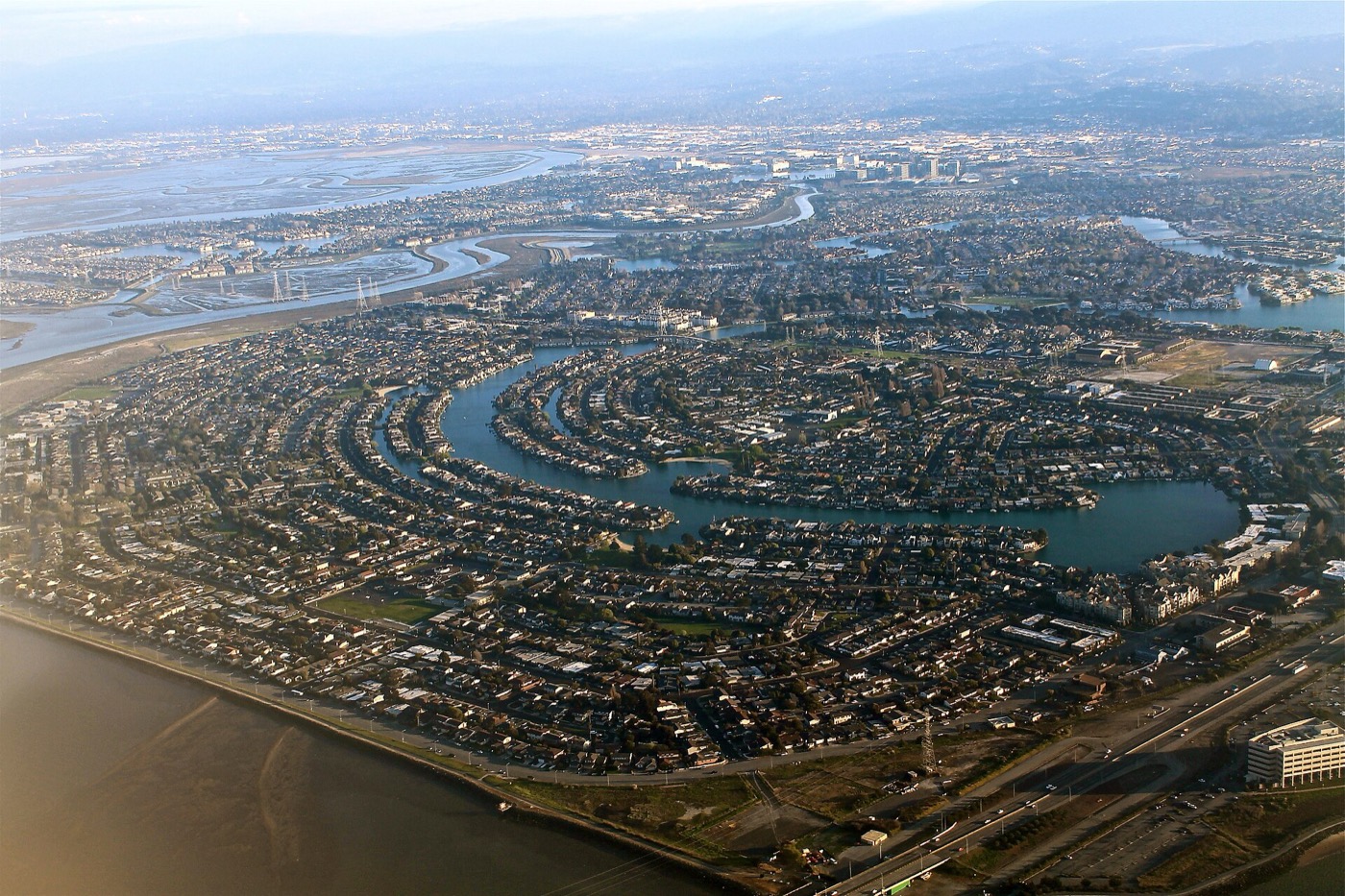
City differences
The same price can mean very different competition by city and property type.
Read market news in layers
Market headlines only matter after they connect to your city, budget, and property type
-
Start here Headline
Check whether the news is statewide, Bay Area-wide, or specific to your city and price lane.
-
Supply
Low inventory does not mean every home is strong. Ask whether good homes are truly scarce.
-
Demand
Buyer speed depends on price, condition, location, and confidence.
-
Action
Bring the story back to whether you should wait, tour, offer, or sell.
-
By this point you are ahead of most
Why is California's median home price at a record?
C.A.R. reported that California's median single-family home price reached $930,260 in May 2026, a second straight record. Sales also rose 5.1% from a year earlier. On the surface, that sounds like a hot market.
But the details matter. C.A.R. also noted that a higher share of million-dollar-plus sales helped push the median higher, while supply remained tight at 2.6 months of unsold inventory. A record median price can happen because the mix of homes selling is more expensive and good supply is limited, not because every home on the market is suddenly stronger.
Why National Price Softness Does Not Cancel California Scarcity
Realtor.com's May 2026 national report showed a different story: the national median listing price continued to decline year over year, even as active inventory increased. That is why people can read national headlines and feel like prices should be softer, then look in California and still see serious competition for good homes.
California is not one average market. Many high-demand locations have limited room to build, strong job-center demand, school and commute pressure, and buyers who are not just shopping for a house, but for access. Access to work, transit, community, schools, weather, and lifestyle keeps certain areas structurally tight.
California Prices Are Often Pushed by Location Scarcity
In California, many homes are priced by what they are close to. A home near a CBD, major employment center, strong school area, BART, Caltrain, freeway access, ferry, university, hospital, or lifestyle corridor can carry a premium because buyers are really paying for time and access.
This is why two homes with similar square footage can behave completely differently. One may get multiple offers because it sits in the path of real demand. Another may sit because it has a harder commute, weaker layout, more repair risk, or a price that assumes demand will show up automatically.
Why do some homes sell fast while others sit?
A lot of California households rent, and when first-time buyers finally enter the market, they often discover there are not many good options that match budget, commute, condition, and lifestyle. That scarcity changes buyer behavior. When a clean, well-located, well-priced home appears, buyers who have been waiting may move quickly.
That does not mean every home is hot. It means the market is selective. Good homes can still get bid up because several buyers are competing for the same rare fit. At the same time, overpriced homes, awkward layouts, homes with heavy repair questions, or homes in less convenient locations can sit longer and need price cuts.

Record Median Price Does Not Mean Sellers Can Ignore Strategy
For sellers, the record median price is encouraging, but it is not a blank check. Buyers are still dealing with affordability, insurance questions, HOA costs, repair risk, and interest rates. If a home is priced as if it is the best option but buyers see better alternatives, the market will push back.
A seller should ask: is my home one of the scarce good options, or does it need preparation, pricing discipline, staging, repairs, or better explanation before buyers will trust it? In this market, presentation and pricing still matter because buyers are comparing carefully.
What should buyers do in this market?
Buyers should not hear record median price and assume they already missed the market. They should also not hear national softness and assume every California seller is weak. The real work is property-level analysis.
Look at recent closed sales, pending activity, days on market, price reductions, disclosure quality, layout, commute, school boundary, insurance, HOA, and the likely next buyer. A home that looks expensive may still be rational if it is one of the few clean options in a tight location. A home that looks cheaper may still be risky if the discount comes from problems future buyers will also notice.
- Do not compare only list price. Compare the quality of the option.
- Watch which homes go pending quickly and which homes sit after price cuts.
- Ask whether the home solves a real buyer problem: commute, school, space, condition, or lifestyle.
- Separate statewide headlines from neighborhood and property-level demand.
- Be ready for the right home, but do not chase the wrong home just because inventory feels low.
The Real Answer: Hot for the Right Homes, Slow for the Wrong Ones
So is California hot or just supply-constrained? The answer is both, but not evenly. The market is hot for homes that match real buyer demand and are scarce in their location. It is not hot for every listing simply because the statewide median price hit a record.
That is why the best analysis starts below the headline. California's record price tells us supply and buyer demand are still powerful. The property-level question tells us whether one specific home deserves competition.
Free segment read
Wondering what this market means for your specific move?
Tell me the city, home type, and whether you are buying or selling. I will reply with whether that exact segment is moving fast or sitting, and what that means for your timing. One email, no list to join.
Faster: text or call 510-813-3293, or WeChat Adam1Chen.
Related Local Guides
Helpful External Resources
Sources and Credits
- California Association of Realtors May 2026 Home Sales and Price ReportUsed for California median price, sales, inventory, and market-mix details.
- Realtor.com May 2026 Monthly Housing ReportUsed for national listing-price softness and inventory context.
- Redfin California Housing MarketUsed for current California above-list, price-drop, and sale-to-list signals.
- U.S. Census QuickFacts: CaliforniaUsed for homeownership context and the reality that many California households rent.
- PPIC: California's Housing CrisisUsed for broader California housing shortage and supply-constrained context.
Image: Downtown San Jose photo: Wikimedia Commons