Castro Valley is a hill-and-neighborhood East Bay market with BART access, larger lot pockets, and a more residential rhythm than many nearby cities.
First-Time Buyer Lens
How to read Castro Valley before choosing a home
For a first home, do not judge a city only by reputation or a single price. Put payment, commute, schools, property type, condition, and future resale demand into one framework.
Price lane
First, check whether this city fits your real payment range
Then decide whether the daily rhythm fits your life
Buyers usually watch single-family value, lot size, school-boundary details, and commute tradeoffs; sellers need to price carefully because hillside condition, view, parking, and floor plan can create large value gaps.
Demand signal
Ask whether future buyers will also understand this home
Clean homes with usable yards and easier BART/freeway access continue to get more attention.
School and commute
Do not rely only on map distance
Most public school questions center on Castro Valley Unified attendance boundaries; buyers should verify school assignment by property address before writing an offer. Common commute routes include I-580, I-238, I-880, Castro Valley BART, and routes toward Oakland, San Francisco, Hayward, Dublin/Pleasanton, and Silicon Valley.
Before touring, verify
Slope, foundation, drainage, and insurance questions
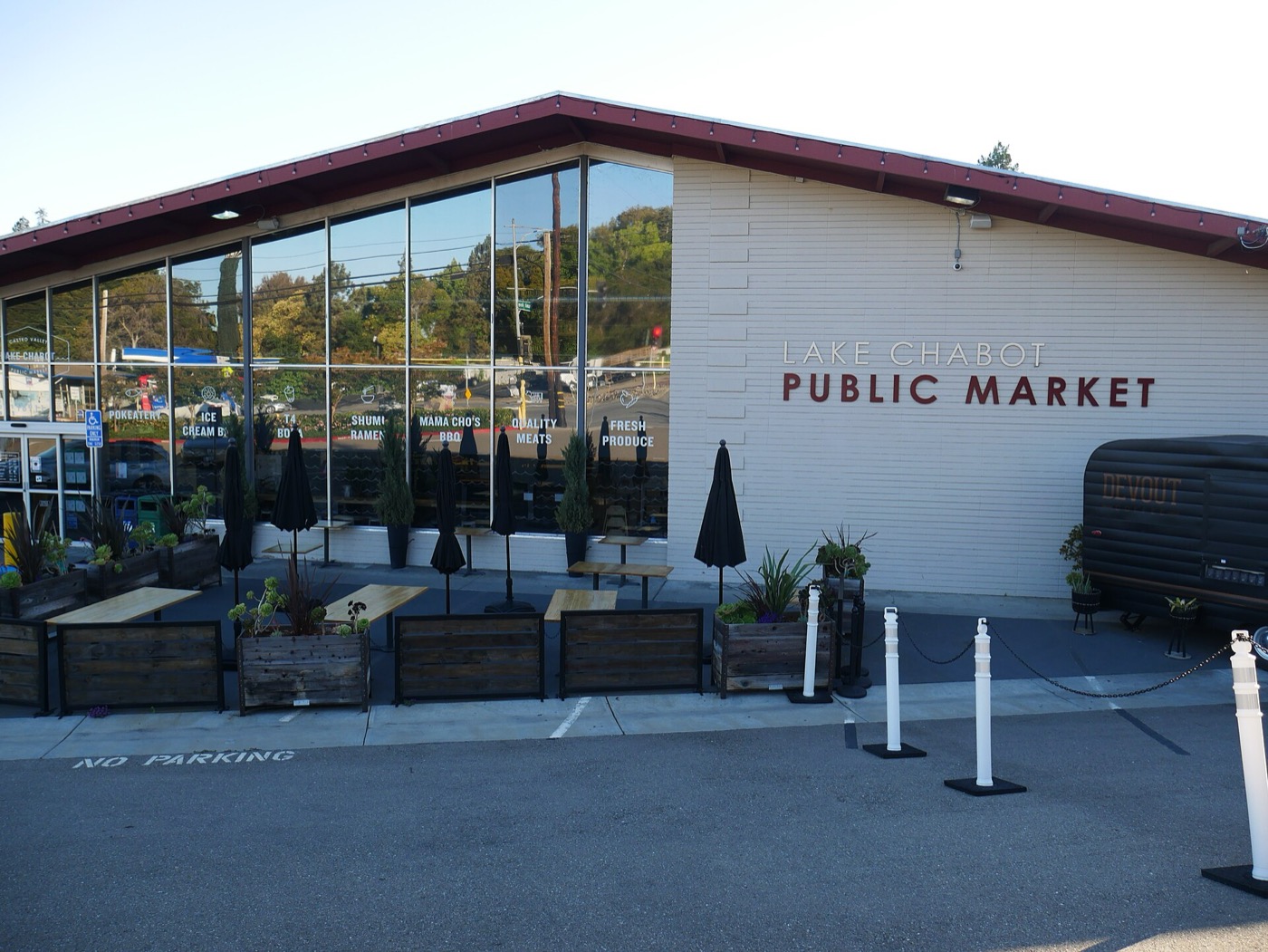
Castro Valley is often compared by buyers who want East Bay space, hillside views, Lake Chabot access, and a quieter residential feel while staying close to I-580, I-238, BART, Oakland, Hayward, and San Francisco commute routes.
What Buyers and Sellers Usually Watch
Buyers usually watch single-family value, lot size, school-boundary details, and commute tradeoffs; sellers need to price carefully because hillside condition, view, parking, and floor plan can create large value gaps.
Market Data Snapshot
Sale Range$600K-$900K condo/townhome; $900K-$1.4M+ single-family
Rent Range$2.1K-$3.5K/mo typical apartment range; house rentals vary more
Rent TrendResidential demand is steady; hillside condition and BART access change value.
Demand SignalClean homes with usable yards and easier BART/freeway access continue to get more attention.
2021-2026 Estimated Price TrendAnchored to today's price range to show direction, not an exact quoted price.
Price labels are estimated planning ranges based on the current sale range and broad 2021-2026 direction. Refresh with live MLS, Redfin, Zillow, and rental data before publication.
Price and Market Signals
Planning price signal: condos/townhomes often sit roughly in the $600K-$900K range, while many single-family homes trade around $900K-$1.4M+ depending on size, condition, and school/commute pocket.
Demand is usually strongest for clean single-family homes with usable yards, good light, and easier access to BART or freeway routes.
For sellers, compare hillside vs flatland homes separately; for buyers, check insurance, drainage, foundation, and road access.
People, Lifestyle, and Community Structure
Residential Alameda County community with a strong owner-occupant feel and many long-term households.
Lifestyle is more suburban and outdoor-focused than dense urban markets, with Lake Chabot, regional parks, and neighborhood shopping corridors.
Housing and Neighborhood Differences
Housing includes mid-century single-family homes, hillside homes, condos, townhomes, and some larger-lot properties.
Value can change block by block because of slope, view, remodel quality, parking, and proximity to BART/freeways.
Neighborhoods and Pockets in Castro Valley
Castro Valley Boulevard corridor
The central spine with retail, services, and the BART station. Most convenient for daily errands and commuting.
Palomares and the canyon
Rural eastern edge with larger parcels, more privacy, and a genuinely different lifestyle. Well and septic questions are common here.
Lake Chabot side
Western hills near Lake Chabot Regional Park, favored for open space access and views.
Proctor and Jensen Ranch
Established residential pockets often cited by families for school proximity, with mid-century to newer housing depending on the street.
Five Canyons
Newer planned development in the hills toward Hayward, with more recent construction than most of unincorporated Castro Valley.
What daily life looks like in Castro Valley
Walkability
The Boulevard has a walkable stretch with shops and restaurants, but Castro Valley is largely car-dependent. Hillside and canyon addresses require driving for everything.
Getting around
Castro Valley BART serves San Francisco and Oakland, and I-580 carries drivers toward the Tri-Valley and the inner East Bay. Traffic through the 580 corridor shapes commute times.
Everyday errands
Shopping is centered on Castro Valley Boulevard and nearby centers, with larger stores a short drive away in Hayward or San Leandro.
Weekends
Lake Chabot for hiking and boating, Cull Canyon, and the rural feel of Palomares Road. Weekends here lean outdoors and low-key.
Schools and Education Options
Most public school questions center on Castro Valley Unified attendance boundaries; buyers should verify school assignment by property address before writing an offer.
Use California School Dashboard, district boundary tools, and third-party school-rating sites as starting points, not as the only decision factor.
School Names and Research Method
Often-Discussed Public Schools/Districts
Castro Valley Unified School District
Castro Valley High School
Canyon Middle School
Creekside Middle School
Nearby Private/Independent School References
Redwood Christian Schools nearby
Our Lady of Grace School
Private options may also be searched in Hayward/San Leandro/Oakland
How to Evaluate Fit
Confirm boundaries because hillside and nearby-area addresses can be confusing.
Use CA School Dashboard and district enrollment pages before relying on ratings.
Jobs and Commute
Common commute routes include I-580, I-238, I-880, Castro Valley BART, and routes toward Oakland, San Francisco, Hayward, Dublin/Pleasanton, and Silicon Valley.
Expect commute time to vary sharply by departure time; bridge/freeway congestion can change the real lifestyle more than map distance.
What to Judge During Tours
Slope, foundation, drainage, and insurance questions
Castro Valley buyers should compare budget, commute, school boundaries, property type, condition risk, and future resale demand instead of relying only on the city name or a single price.
What should I check before buying in Castro Valley?
Check the exact address, school boundary, commute route, recent closed sales, active competition, HOA or older-home risk, and then decide whether the offer strategy makes sense.
How should sellers prepare a Castro Valley home?
Sellers should study recent sales and current competition before deciding repairs, cleaning, staging, photography, launch timing, and negotiation priorities.
How do I compare Castro Valley with nearby cities?
Compare commute, schools, price range, housing type, lifestyle, and future buyer pool together. Neighboring cities can look close but attract different demand.
 加州房价要下跌?这五个城市跌最狠!买房机会来了?
 一份工作与梦想开始的地方!生活VLOG