Published Updated
Check whether this matches your current buying, selling, or location decision.
Scan the key points first, then decide whether to read the full analysis.
Will California home prices crash in 2026 or 2027?
When clients ask whether high rates should make California homes cheap, I separate the emotional headline from the production math. If a replacement...
A lot of California housing commentary starts with one question: if rates are high, why are good homes still so expensive? My answer is that California is not only a demand story. It is a production story, a replacement-cost story, a locked-owner story, and in the Bay Area, a cash-buyer story.
California housing is not immune to corrections, but the best-located single-family market is supported by several structural locks: constrained construction labor, elevated replacement cost, rate and property-tax lock-in, concentrated cash buyers, and a large renter base that cannot easily move into ownership.
When clients ask whether high rates should make California homes cheap, I separate the emotional headline from the production math. If a replacement home is expensive to build, existing owners are locked into low costs, and cash-heavy buyers still compete for rare good homes, a price crash requires more than just expensive mortgages.
You might be wondering
If any of these sound like you, this guide was written for you.
- Will California home prices crash in 2026 or 2027?
- Why are Bay Area homes still expensive with mortgage rates above 6%?
- How do labor shortages and replacement cost affect California housing prices?
- Why do cash buyers and long-term renters matter for California real estate?
Visual Context
Make the decision easier to see

Commute reality
BART, Caltrain, bridges, and freeways change the cost of daily life.
Presentation
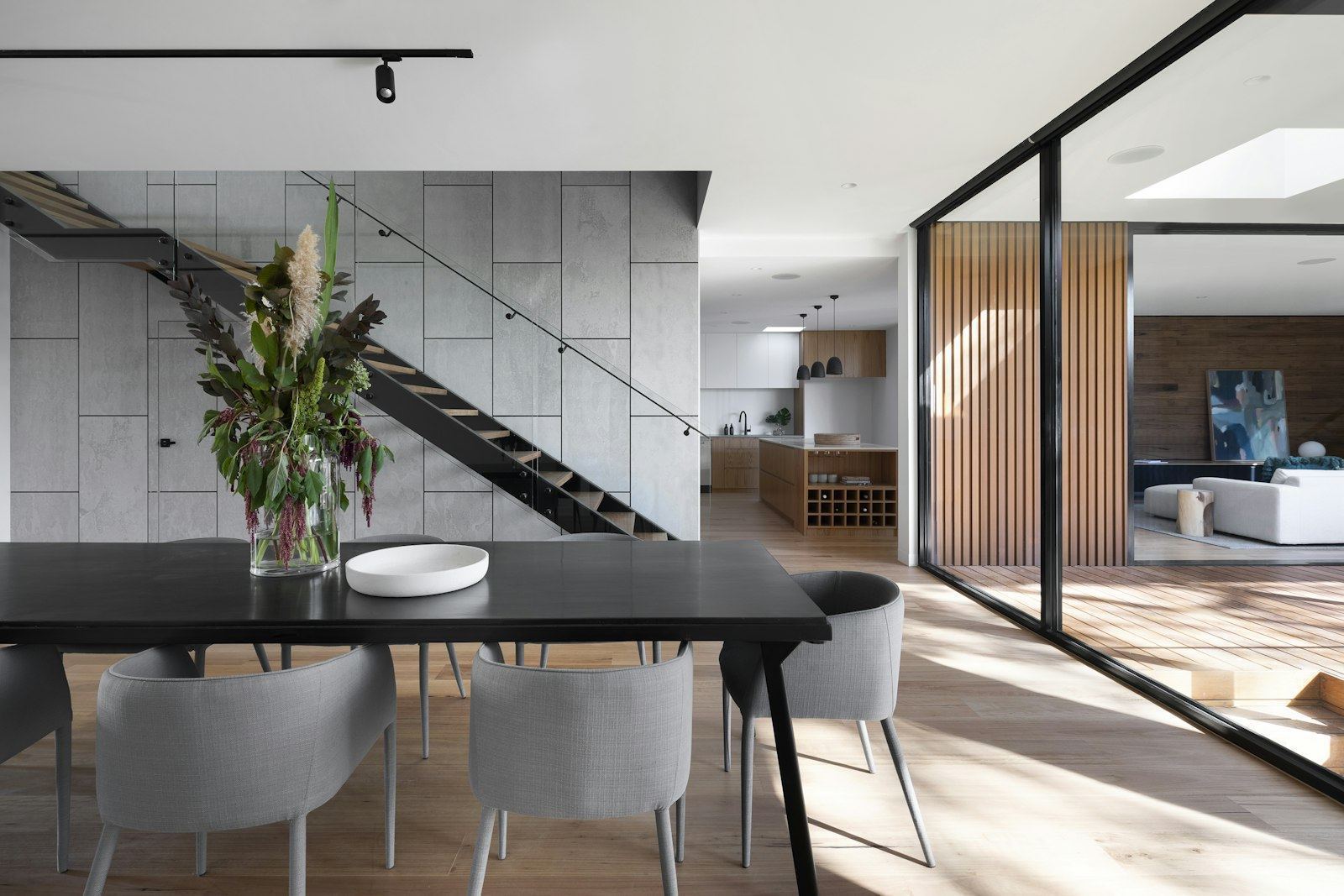
Staging is not decoration. It helps buyers understand the space faster.

The home itself
Look at space, condition, maintenance, and resale before only reacting to photos.
Ranked by importance. Settle the top items before the ones below.
- 1 Not enough construction labor Makes building slower
- 2 New homes cost more to build Raises replacement cost
- 3 Owners are locked into low costs Fewer want to sell
- 4 Cash buyers chase the best homes Supports top locations
- 5 Many households still rent Supports rental demand
- 6 Local markets can still fall Risk still exists
Informed by: Freddie Mac PMMS, C.A.R. Affordability Index, NAHB immigrant workforce analysis
Read market news in layers
Market headlines only matter after they connect to your city, budget, and property type
-
Start here Headline
Check whether the news is statewide, Bay Area-wide, or specific to your city and price lane.
-
Supply
Low inventory does not mean every home is strong. Ask whether good homes are truly scarce.
-
Demand
Buyer speed depends on price, condition, location, and confidence.
-
Action
Bring the story back to whether you should wait, tour, offer, or sell.
-
By this point you are ahead of most
Why is California not building enough homes?
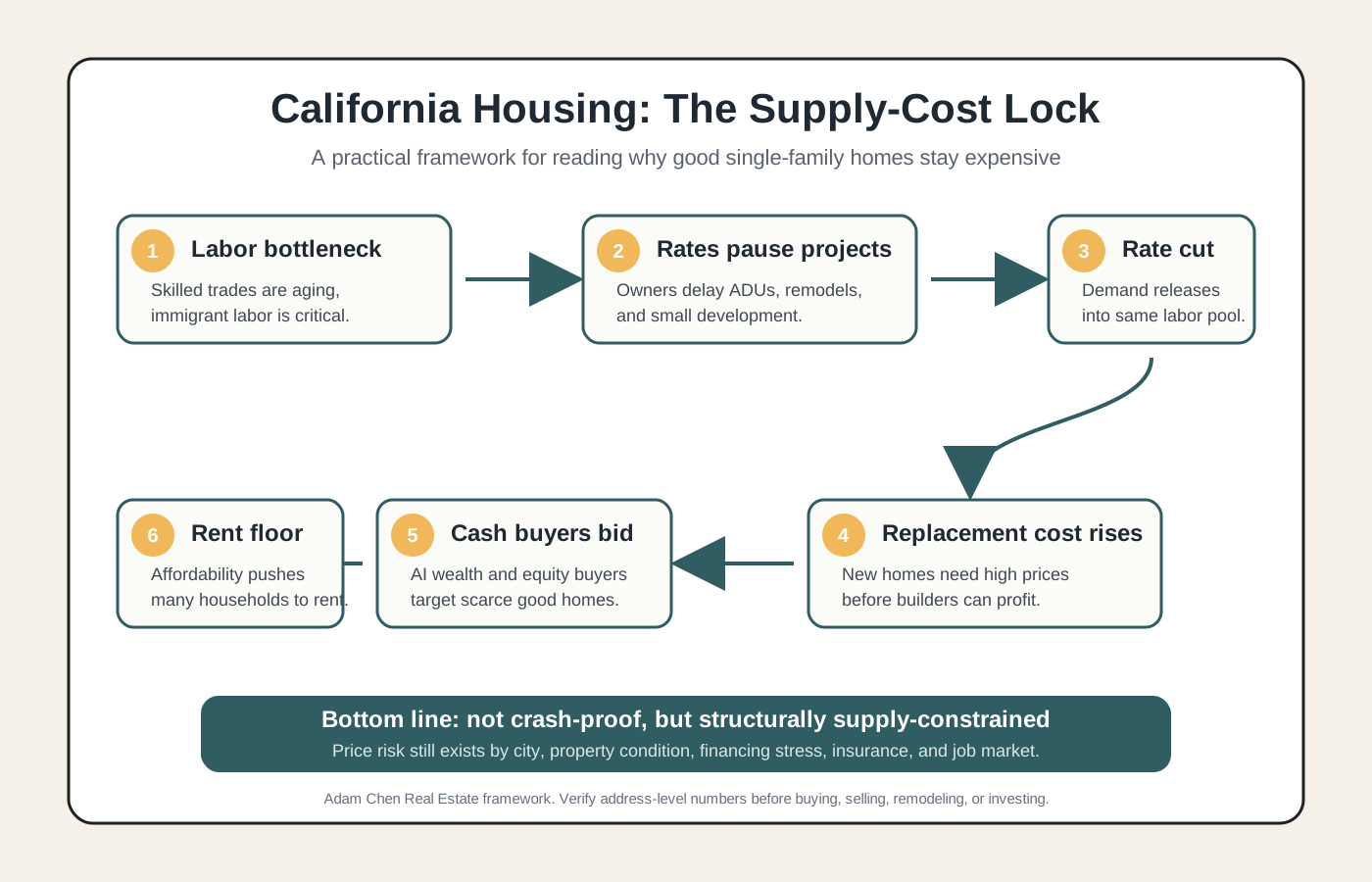
The first bottleneck is simple: homes do not get built, remodeled, repaired, or expanded without labor. The 349,000-worker number often quoted in 2026 is a national Associated Builders and Contractors estimate for the construction industry. It should not be described as a California-only shortage. But California is still unusually exposed because NAHB reports that foreign-born workers make up 42.1% of the state construction workforce, one of the highest shares in the country.
That matters for Bay Area owners thinking about ADUs, additions, bathroom remodels, seismic work, roofs, and full rebuilds. If the same pool of framers, electricians, plumbers, roofers, concrete crews, and finish carpenters is already tight, then every new wave of demand has to bid for the same people.
High Rates Create A Reservoir Of Delayed Projects
Freddie Mac reported the average 30-year fixed mortgage rate at 6.43% on July 2, 2026. That is lower than some recent peaks, but still high enough to make homeowners pause before borrowing against equity, starting a major remodel, or moving from a low-rate mortgage into a new loan.
The important part is the backlog. Many owners are not canceling their projects forever. They are waiting. If rates fall meaningfully, buyer demand and remodel demand can come back at the same time. That does not automatically make construction cheaper. If anything, it can turn a quiet labor shortage into a bidding contest for crews.
Why does replacement cost put a floor under home prices?
In high-cost California markets, a new detached home is not just lumber and drywall. It is labor, land, permits, design, engineering, energy code, financing, insurance, utility work, delays, and builder profit. Even when exact cost-per-foot ranges vary by city and finish level, the buyer only needs to understand one thing: replacement cost is high enough that new single-family supply cannot easily arrive as cheap competition.
That is why existing well-located detached homes behave differently from ordinary consumer goods. If the replacement product costs too much to produce, the existing product becomes harder to discount unless the seller is forced, the property has problems, or local demand weakens badly.
The K-Shaped Buyer Market Is Real In The Bay Area
High rates hurt rate-sensitive buyers. They do not hit every buyer equally. In San Francisco, Silicon Valley, and selected Peninsula neighborhoods, AI income, equity, and cash-heavy buyers have created a K-shaped market. Some buyers are stretched or priced out; others can bid with cash, large down payments, or stock-driven liquidity.
This does not mean every Bay Area listing is hot. It means the best-located, cleanest, most scarce single-family homes can detach from the experience of an ordinary mortgage buyer. That is why a buyer may see price cuts in one segment and multiple offers in another during the same month.
The Rent Floor Is The Other Side Of Affordability
C.A.R. reported that 22% of California households could afford a median-priced existing single-family home in Q1 2026, requiring an estimated $204,800 minimum qualifying income under its assumptions. That means a large share of working households remains outside ownership, even before address-level insurance, HOA, taxes, and repair costs are considered.
For investors and long-term owners, that renter base can support rental demand. For families, it is a warning: waiting for the market to become easy may not be a plan if rent, construction cost, and ownership cost all move against you.
What could still change this outlook?
The dangerous version of this argument is to say California real estate can never crash. That is too absolute. A better version is that a broad crash needs a forcing mechanism: major job losses, credit tightening, insurance unavailability, forced selling, overbuilding in a local segment, or a serious demand shock.
The practical takeaway is not to buy anything at any price. It is to underwrite the exact property. Is the location scarce? Is the home insurable? Is the rent realistic? Is the remodel budget real? Is the buyer pool deep if you need to sell? California has structural support, but bad assets still exist.
- Buyers should compare monthly ownership cost against rent and stress-test a resale scenario.
- Sellers should not assume the market will forgive poor pricing or deferred maintenance.
- Investors should verify insurance, repair reserves, rent comps, and tenant demand before relying on appreciation.
Free segment read
Wondering what this market means for your specific move?
Tell me the city, home type, and whether you are buying or selling. I will reply with whether that exact segment is moving fast or sitting, and what that means for your timing. One email, no list to join.
Faster: text or call 510-813-3293, or WeChat Adam1Chen.
Related Local Guides
Helpful External Resources
Sources and Credits
- Freddie Mac Primary Mortgage Market SurveyUsed for the July 2, 2026 average 30-year fixed mortgage rate of 6.43%.
- C.A.R. May 2026 Home Sales and Price ReportUsed for California median price, price per square foot, days on market, and sales-price-to-list-price context.
- C.A.R. Q1 2026 Housing Affordability IndexUsed for the 22% affordability figure and $204,800 minimum qualifying income estimate.
- Associated Builders and Contractors 2026 Workforce Shortage EstimateUsed for the U.S. construction industry estimate of 349,000 net new workers needed in 2026.
- NAHB: Immigrant Workers in ConstructionUsed for California construction workforce reliance on foreign-born workers.
- FHFA Working Paper on Mortgage Rate Lock-InUsed for the relationship between higher market rates and lower homeowner sale probability.
- NBER Digest: Proposition 13 Lock-In EffectUsed for California property-tax lock-in context.
- SFGATE: AI Is Fueling San Francisco Real EstateUsed for recent San Francisco AI-demand and inventory-pressure reporting.
- Realtor.com: AI Cash and Bay Area Down PaymentsUsed for the buyer-cash and large-down-payment angle in the Bay Area.
Image: Adam Chen original framework graphic